Ayutthaya was the capital of Siam for over 400 years. At its peak it was one of the largest cities in the world, a river port where traders from China, Japan, Persia and Europe did business side by side. In 1767 a Burmese army captured the city and burned it down, and the capital moved south to what later became Bangkok.
Ayutthaya was founded around 1350 by King U Thong and served as the second Siamese capital after Sukhothai. Thirty-five kings ruled from here over four centuries, and the city grew rich on trade moving up and down the Chao Phraya river. European visitors in the 1600s described it as one of the finest cities they had ever seen.
That ended in 1767, when the Burmese army sacked the city. Temples were burned, gold Buddha images were melted down and most of the population was killed or taken away. Ayutthaya was never rebuilt as a capital. The ruins were left to the jungle until restoration work began in the 20th century, and in 1991 the historic city was listed as a UNESCO World Heritage Site.
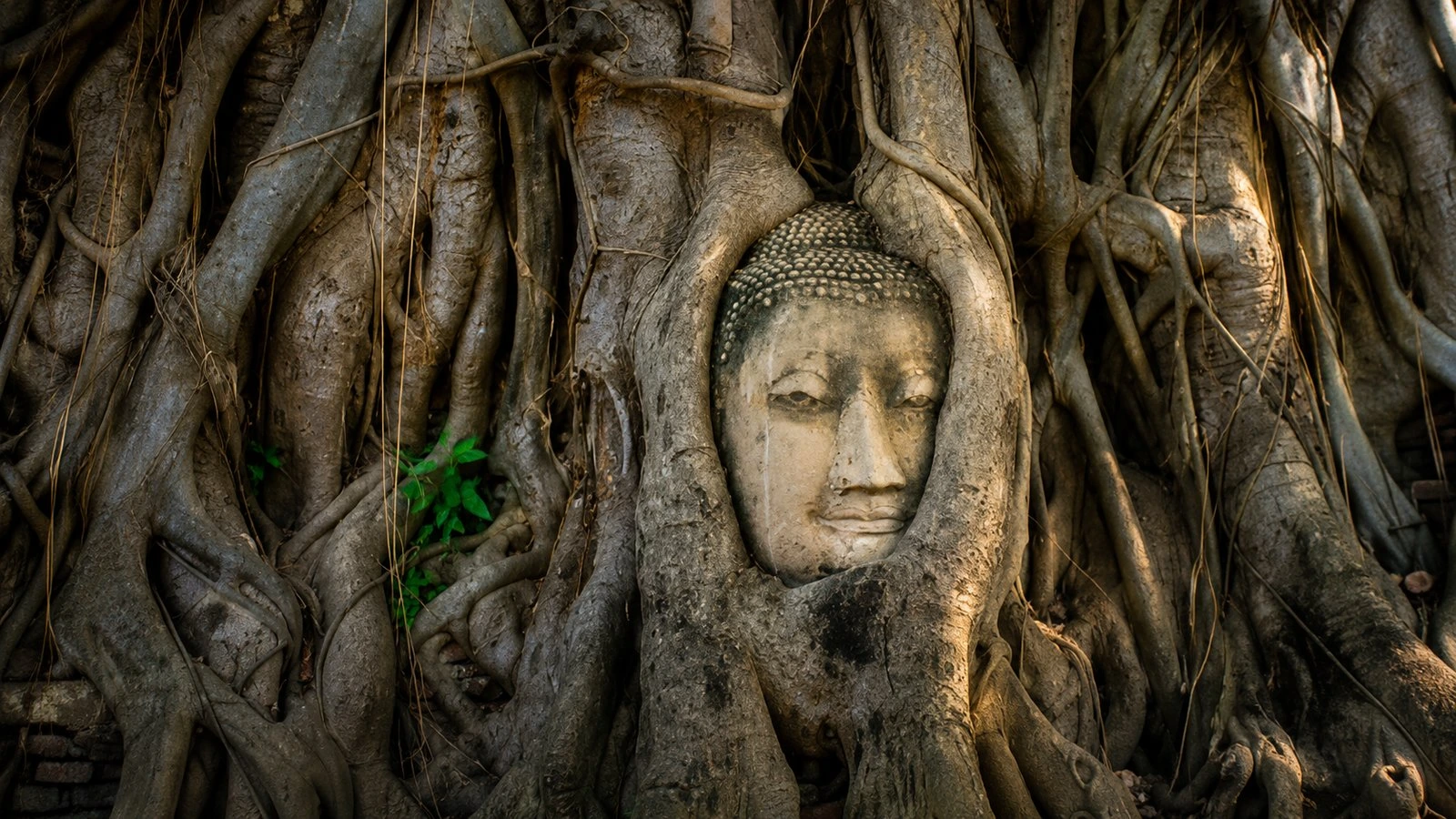
It helps to know what you are looking at before you go: these are ruins, not restored palaces. You will see foundations, broken statues and bare brick towers, and you fill in the rest with a bit of imagination. That is the appeal of the place, but if you are expecting something like the Grand Palace in Bangkok, adjust your expectations.
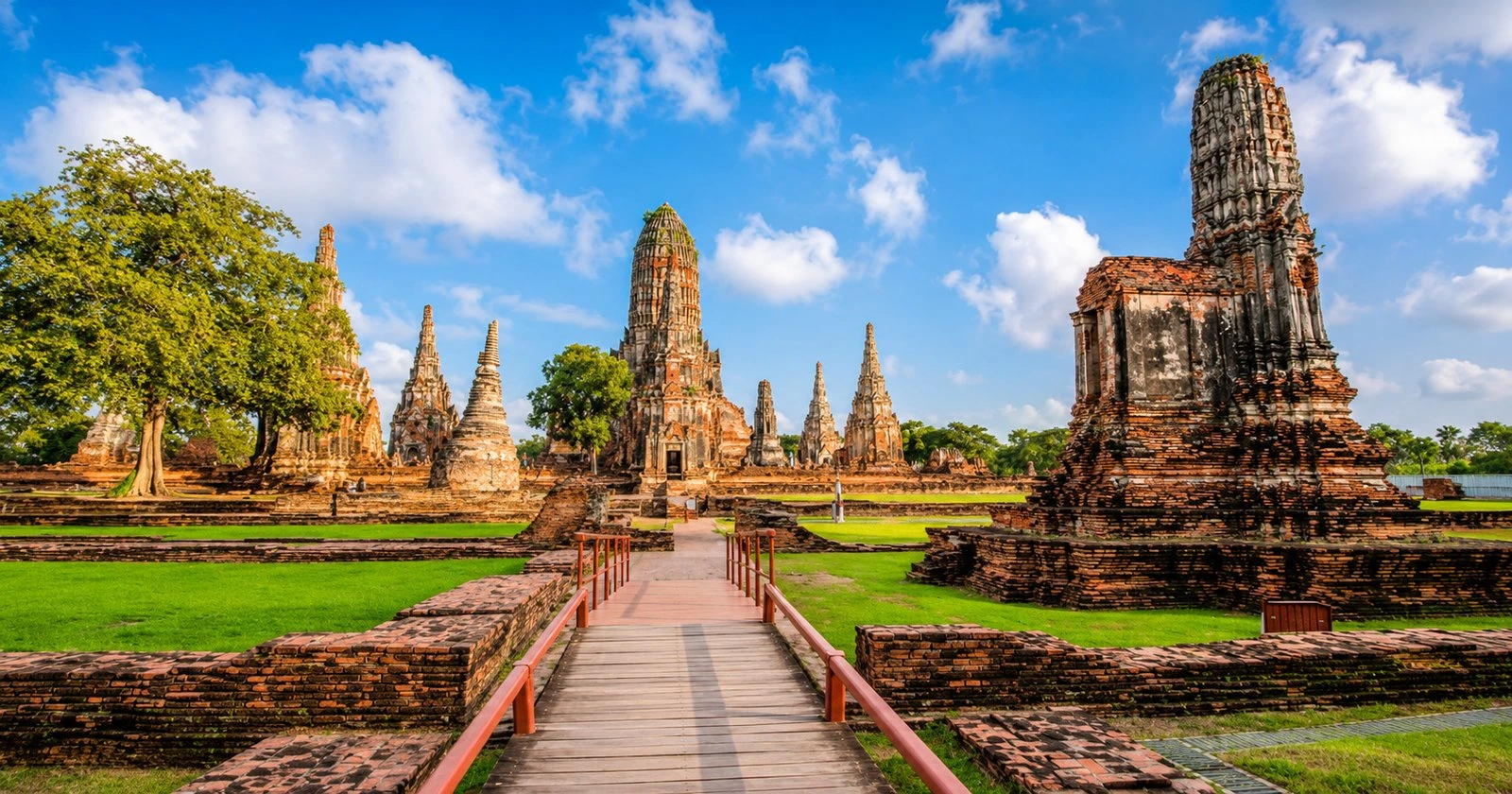
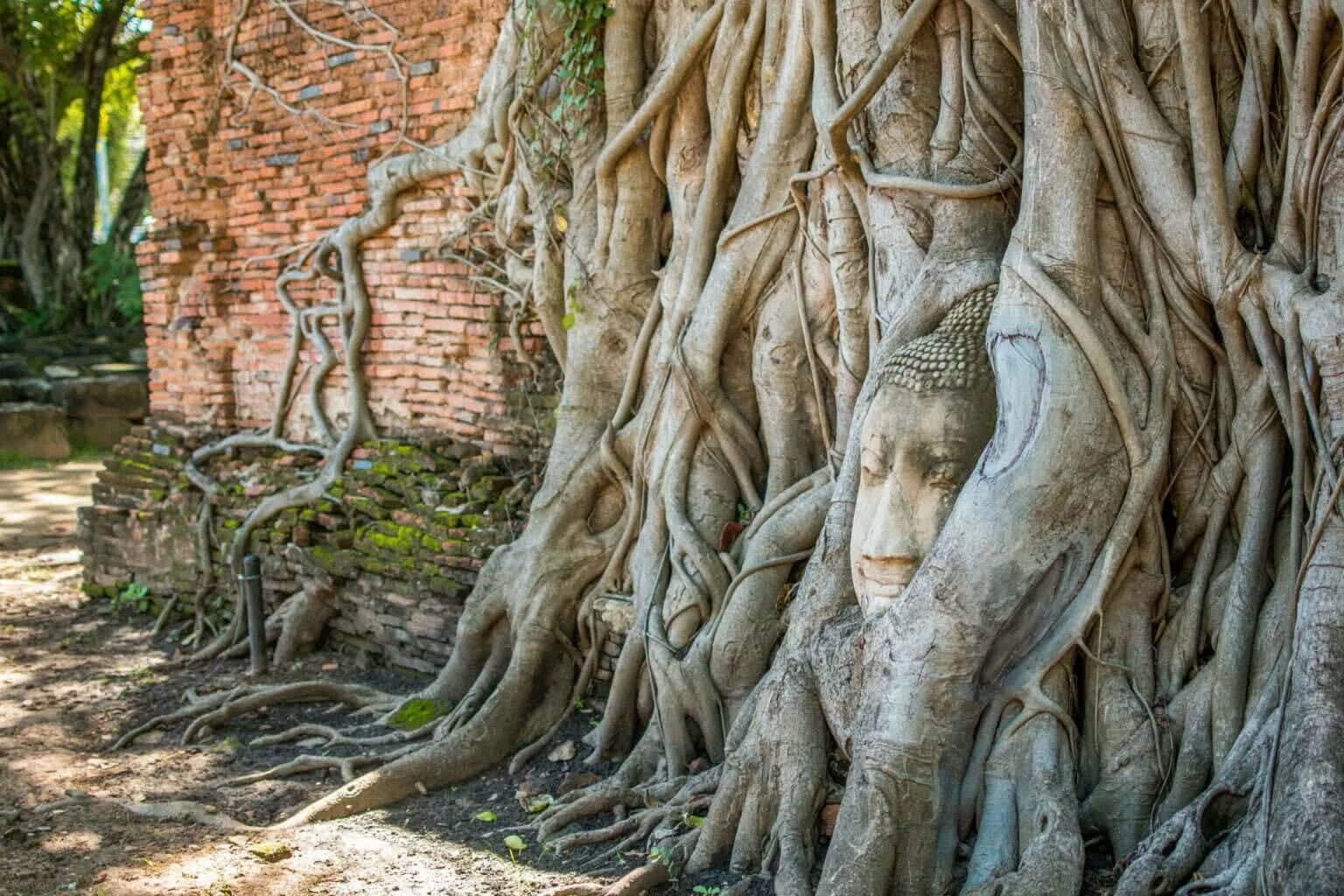
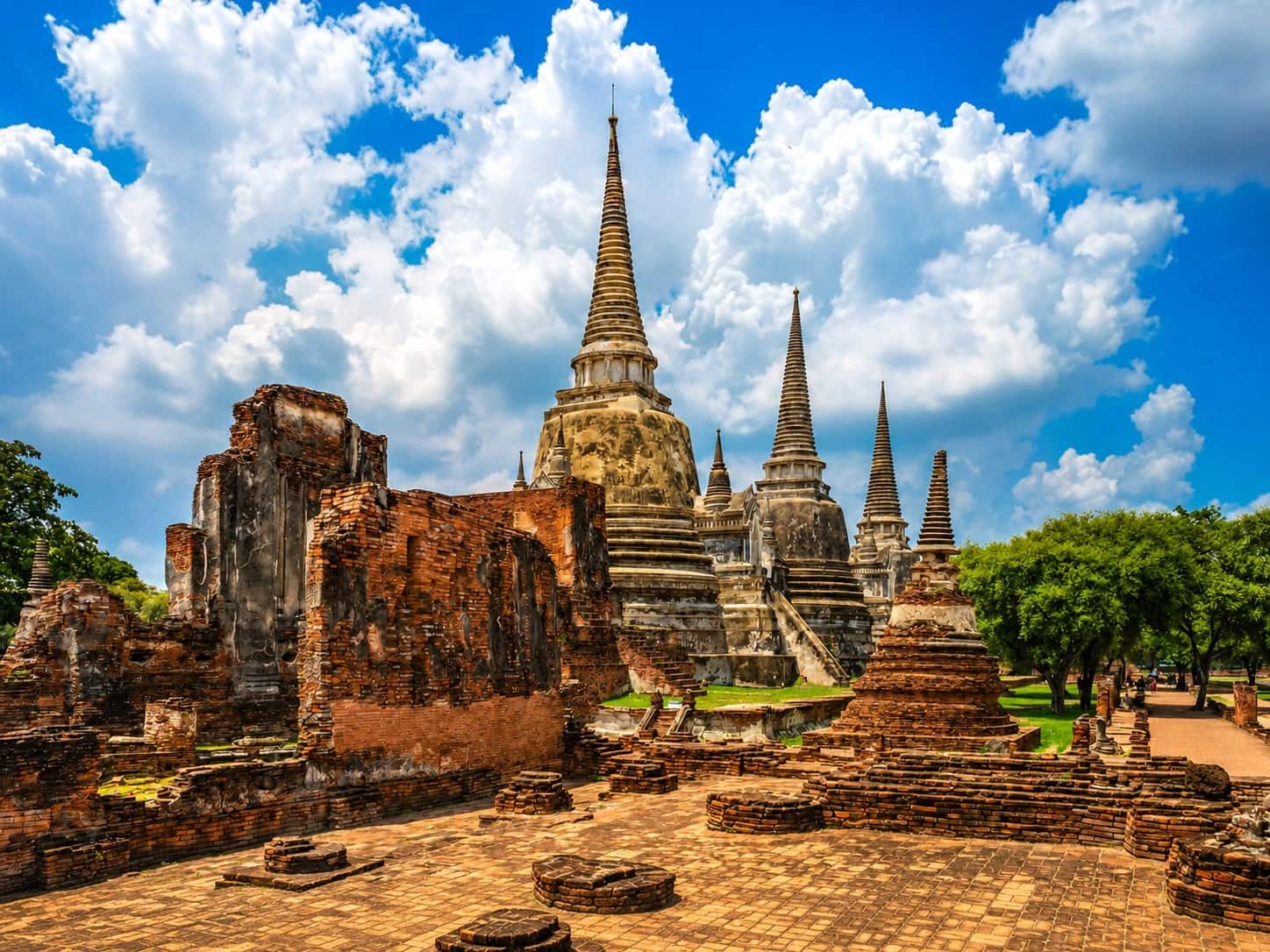
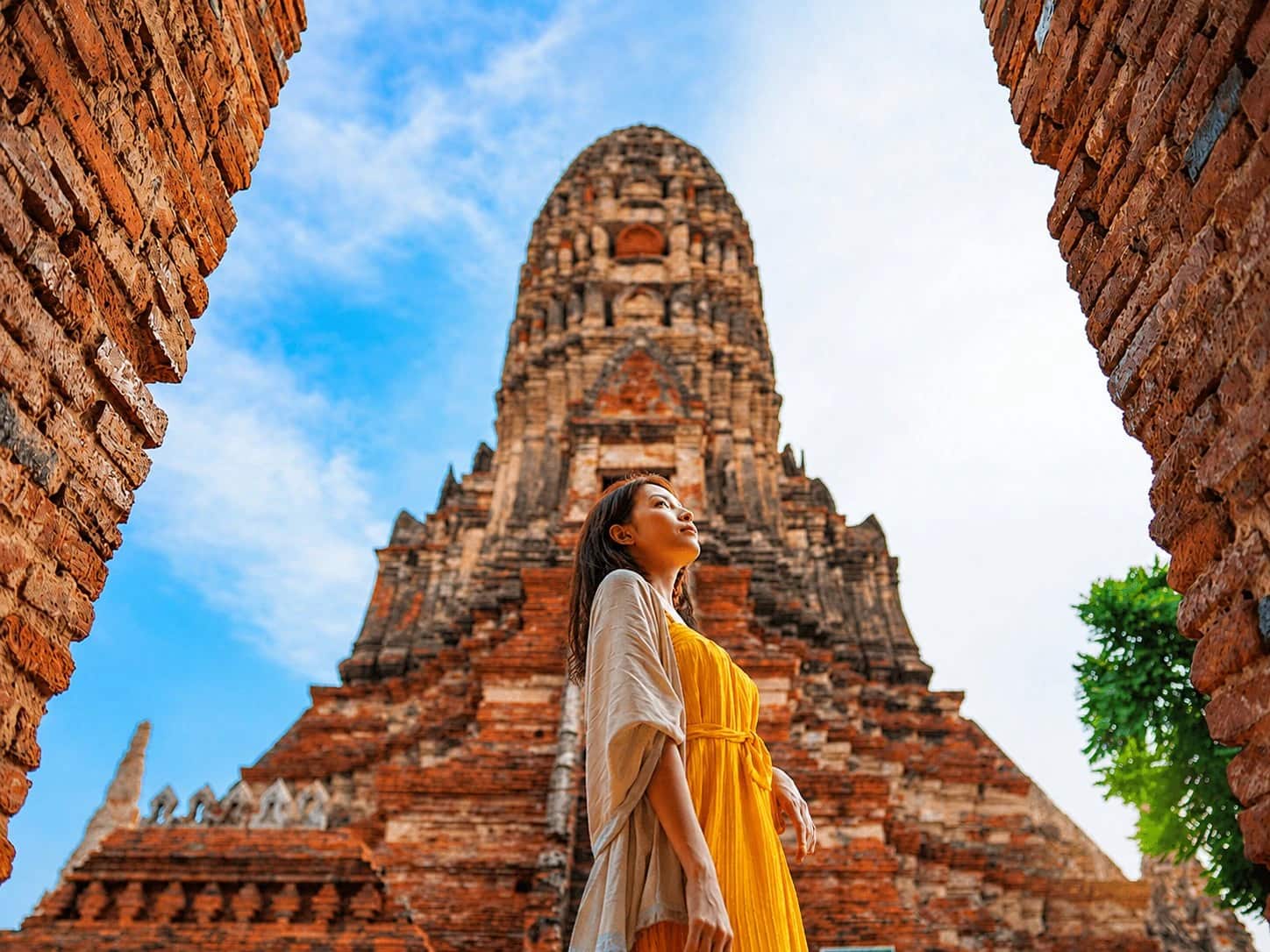
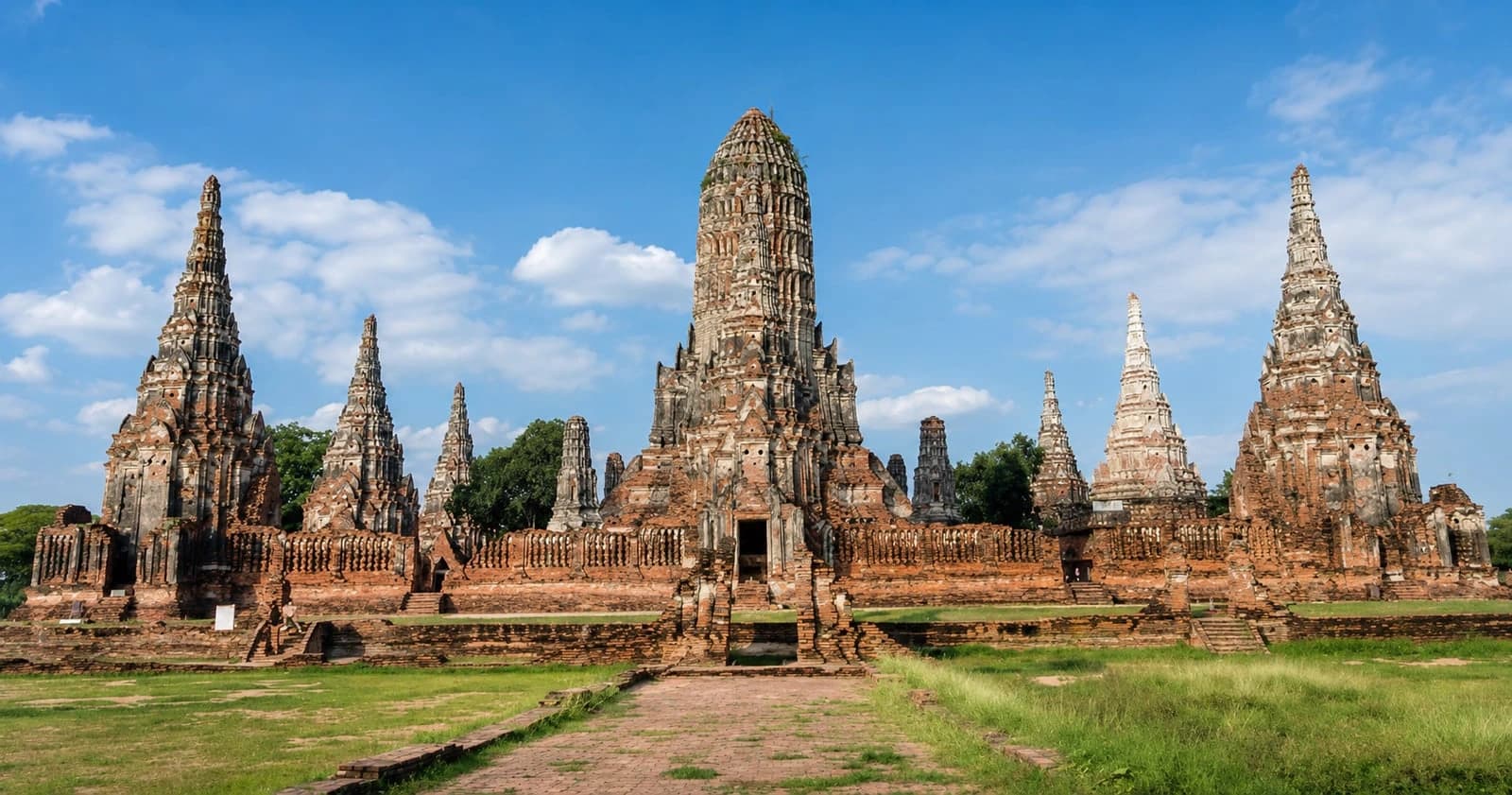
The historical park holds dozens of temple ruins, but four stand out and are the ones most day tours, including ours, are built around:
Our Ayutthaya temples guided day tour visits all of these with an English-speaking guide and a buffet lunch, from ฿1,195. The guide matters more here than at most sights, because the ruins have very little signage.
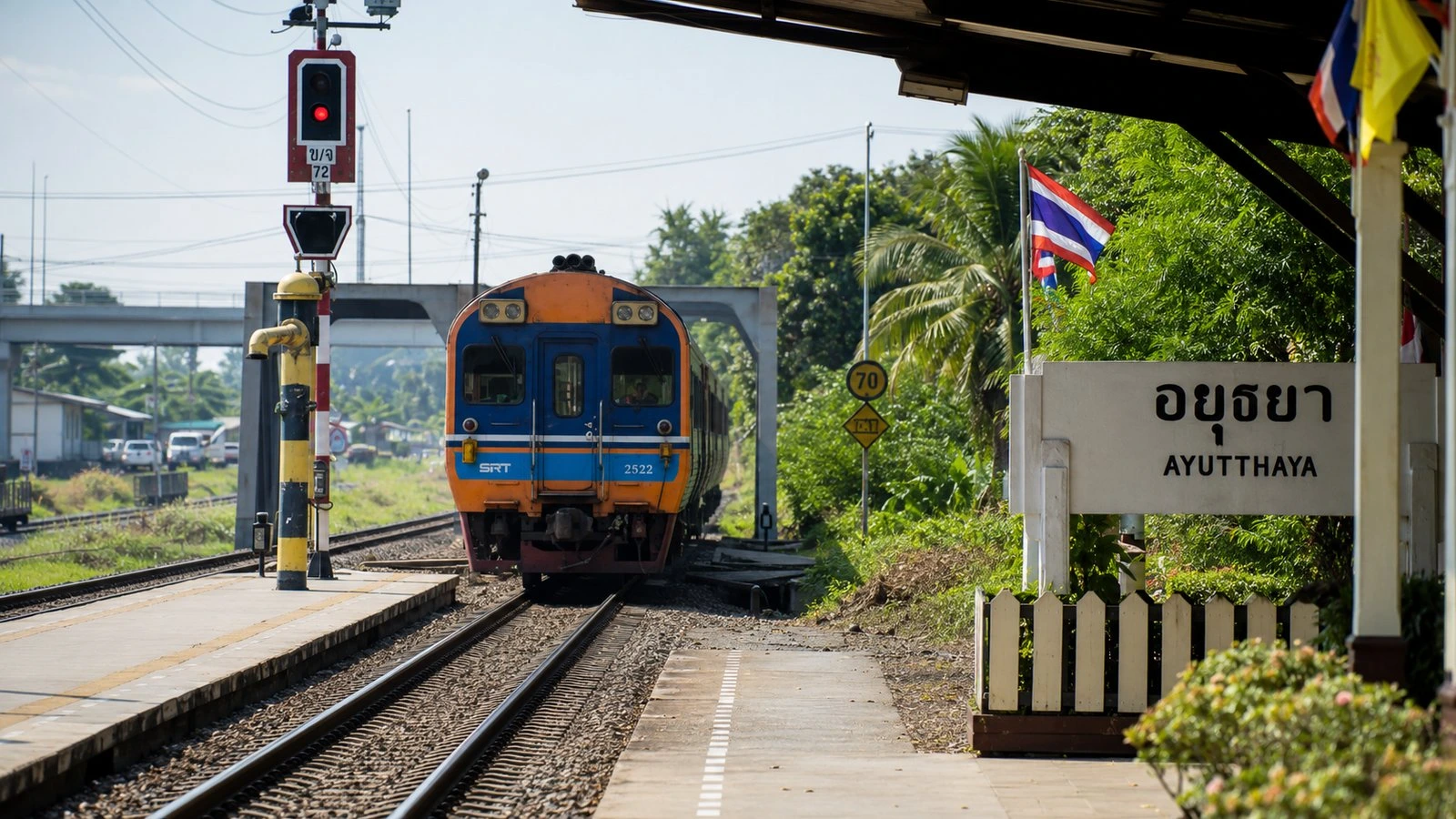
Ayutthaya is about 80 km north of Bangkok, roughly 1.5 hours by road. You have a few options, and we will be honest about each:
One thing to plan for: the temples are spread out over several kilometres. Independent visitors usually rent a bicycle near the train station or hire a tuk-tuk by the hour. On a tour, the vehicle simply drives you between the sites.
The best time to visit Ayutthaya is the cool season from November to February, when daytime temperatures are more comfortable and rain is rare. This is also Thailand’s high season, so the famous spots are busier.
From March to May it gets seriously hot, often well above 35 degrees, and there is almost no shade among the ruins. If you visit in these months, go early, drink water constantly and take the midday heat seriously. The rainy season from June to October brings green surroundings and fewer visitors, with rain usually falling in short afternoon bursts rather than all day.
Whatever the season, mornings are the best time on the ground: softer light, cooler air and fewer tour groups at Wat Mahathat.
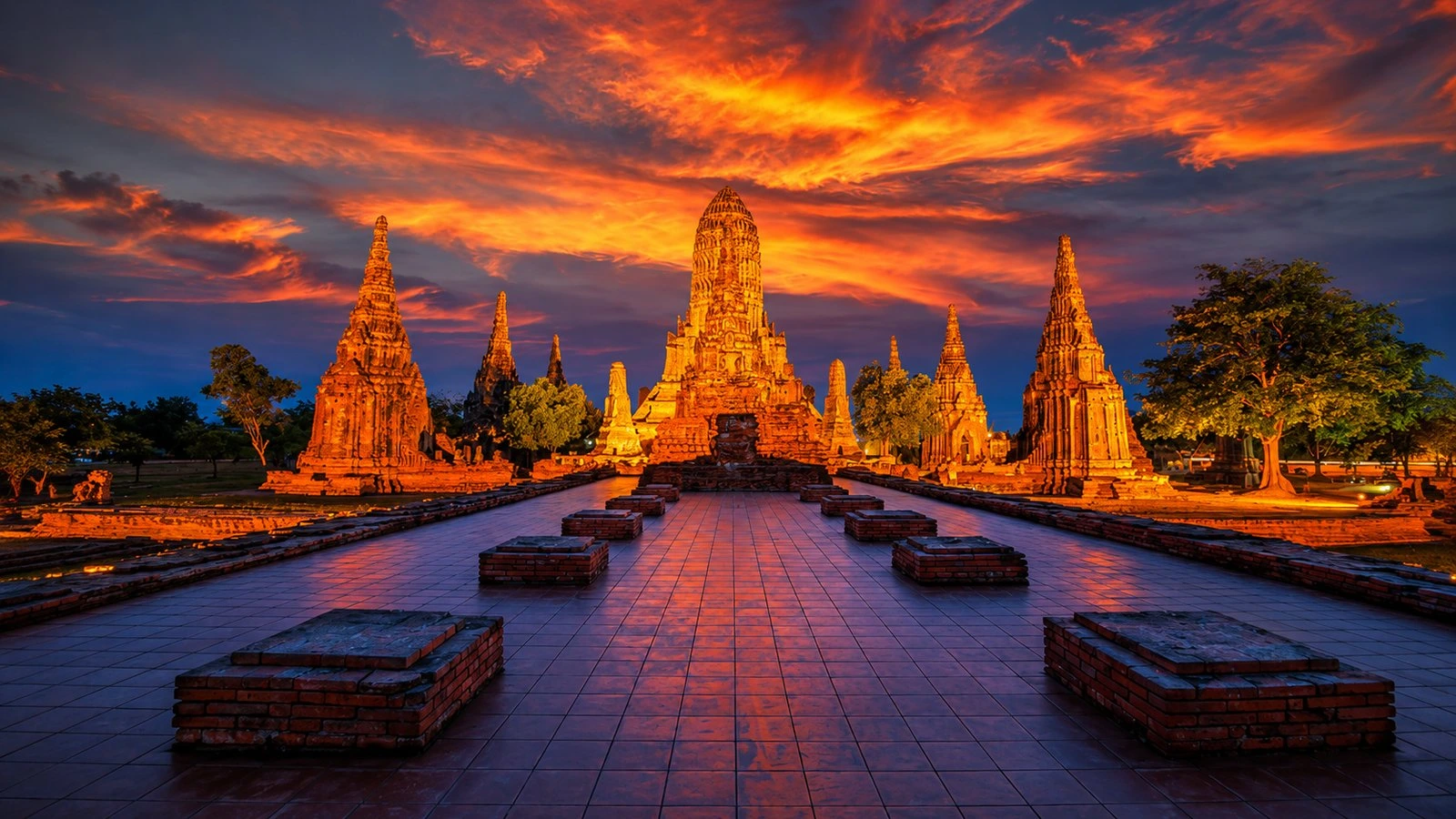
Ayutthaya lies about 80 km north of Bangkok in the Chao Phraya river valley. The historical park sits on an island formed by the Chao Phraya, Lopburi and Pa Sak rivers, with Wat Chaiwattanaram on the west bank just across the water. The modern town of Phra Nakhon Si Ayutthaya wraps around the eastern side of the island.
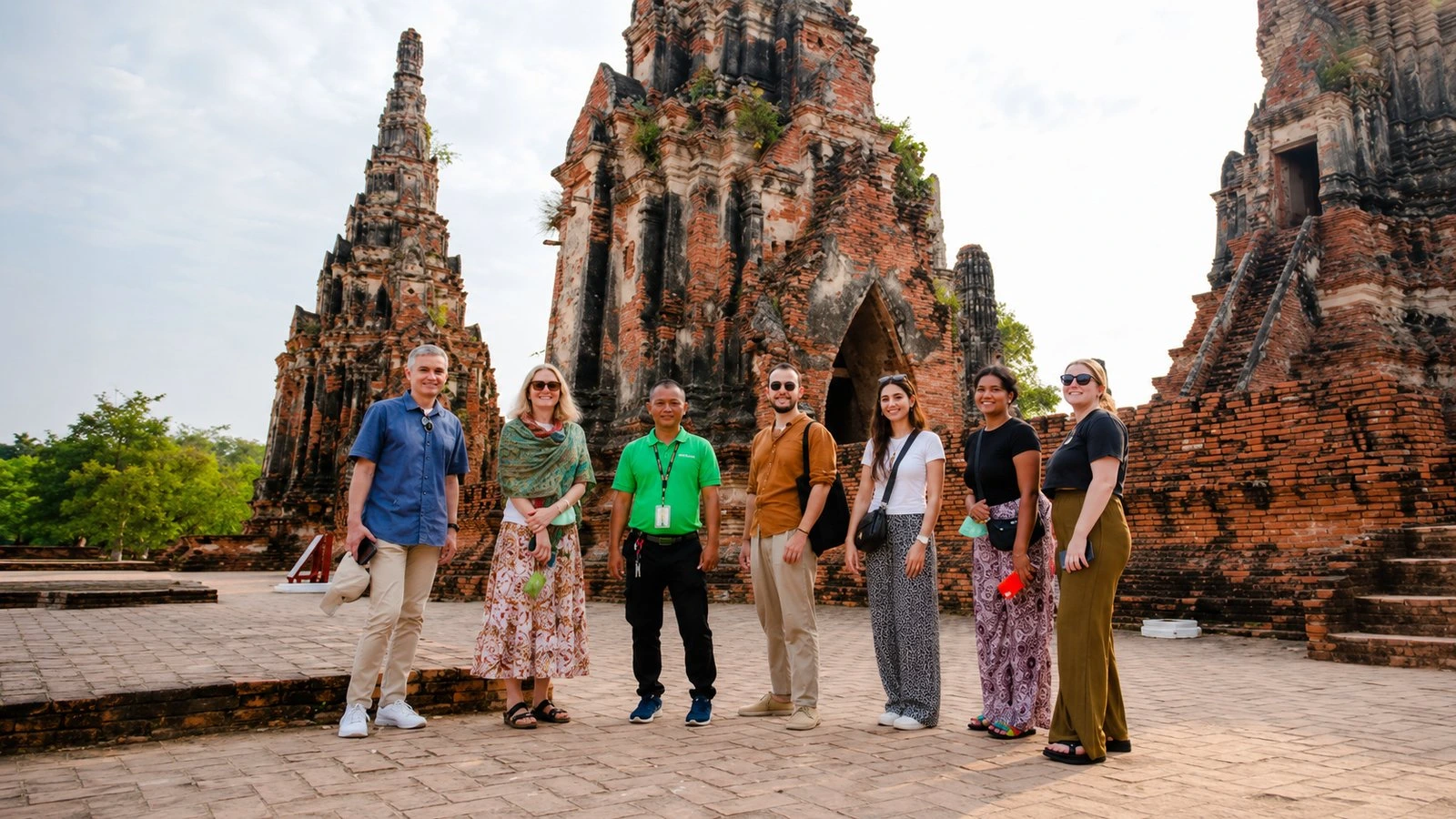
If you enjoy history, yes, it is one of the best day trips from Bangkok. Be aware that you are visiting ruins, not restored buildings, so a guide or some background reading adds a lot. If ruins alone will not fill your day, the combined floating market and Ayutthaya tour mixes the temples with two very different market visits.
Entering the open grounds of the historical park is free. The individual temples charge separate admission at their gates, THB 50 per adult at the main sites, and a combined pass covering six temples costs THB 220. If you join our guided day tour, entrance fees are included in the price.
Yes, and plenty of people do. The train from Bangkok is cheap and takes about 1.5 to 2 hours, and you can rent a bicycle or hire a tuk-tuk to get between the temples. The trade-off is context: the ruins have very little signage, so without a guide you will see the sights but learn much less about what happened here.
The four main temples can be seen in about four to five hours at a relaxed pace, which is why a day trip from Bangkok works well. History enthusiasts who want the smaller ruins, the museums and the riverside at sunset could easily fill a full day or stay overnight.
Clothing that covers your shoulders and knees, plus comfortable closed shoes for the uneven ground. A hat and sunscreen are strongly recommended, as there is very little shade among the ruins.
Hotel pickup in Bangkok is available as an option on our Ayutthaya day tour, or you can join at the city meeting point. You can also meet the group at the first temple stop in Ayutthaya if you are already in the area. Tours with pickup drop you off at MBK mall in Bangkok at the end of the day.
If you have more days in Bangkok, the Damnoen Saduak floating market and the Maeklong railway market make a natural second day out west of the city — there is even a combined tour that fits a floating market and Ayutthaya into one day. All our day trips are listed on the tours page.