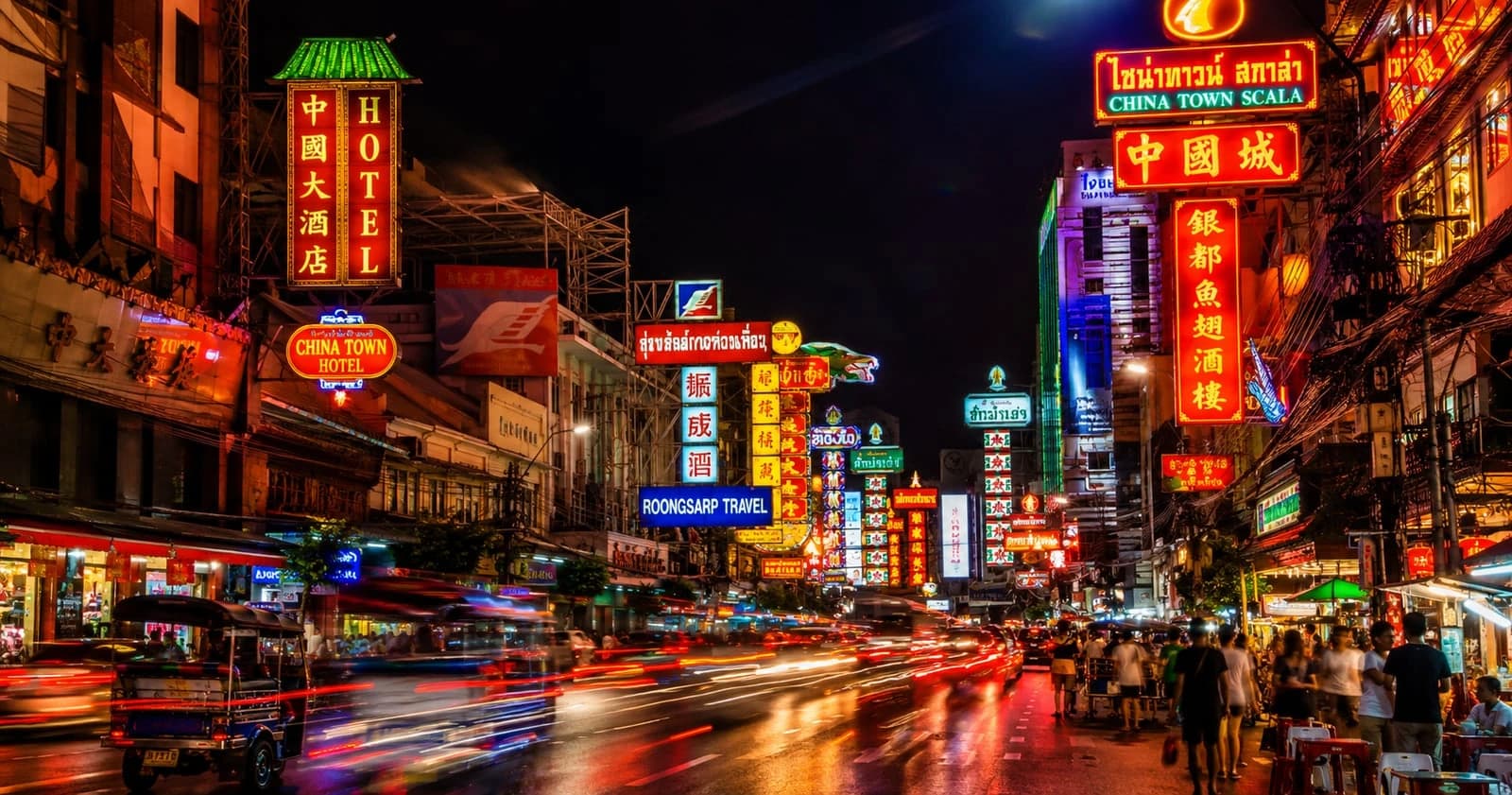
Bangkok’s Chinatown is one of the oldest and largest Chinese quarters in the world. Locals call it Yaowarat, after the road that cuts through the middle of it, a strip of gold shops, shrines, medicine sellers and some of the best street food in Thailand.
Chinatown is as old as Bangkok itself. When King Rama I moved the capital across the river in 1782, the Chinese trading community that lived on the site of the new Grand Palace was asked to relocate a short way downstream, to the area called Sampheng. That settlement grew into the district you see today.
Yaowarat Road, the district’s main artery, was built in the 1890s under King Rama V. Through the 20th century the neighbourhood was Bangkok’s commercial heart, run by Thai-Chinese families whose descendants still operate many of the gold shops, pharmacies and restaurants along the road.
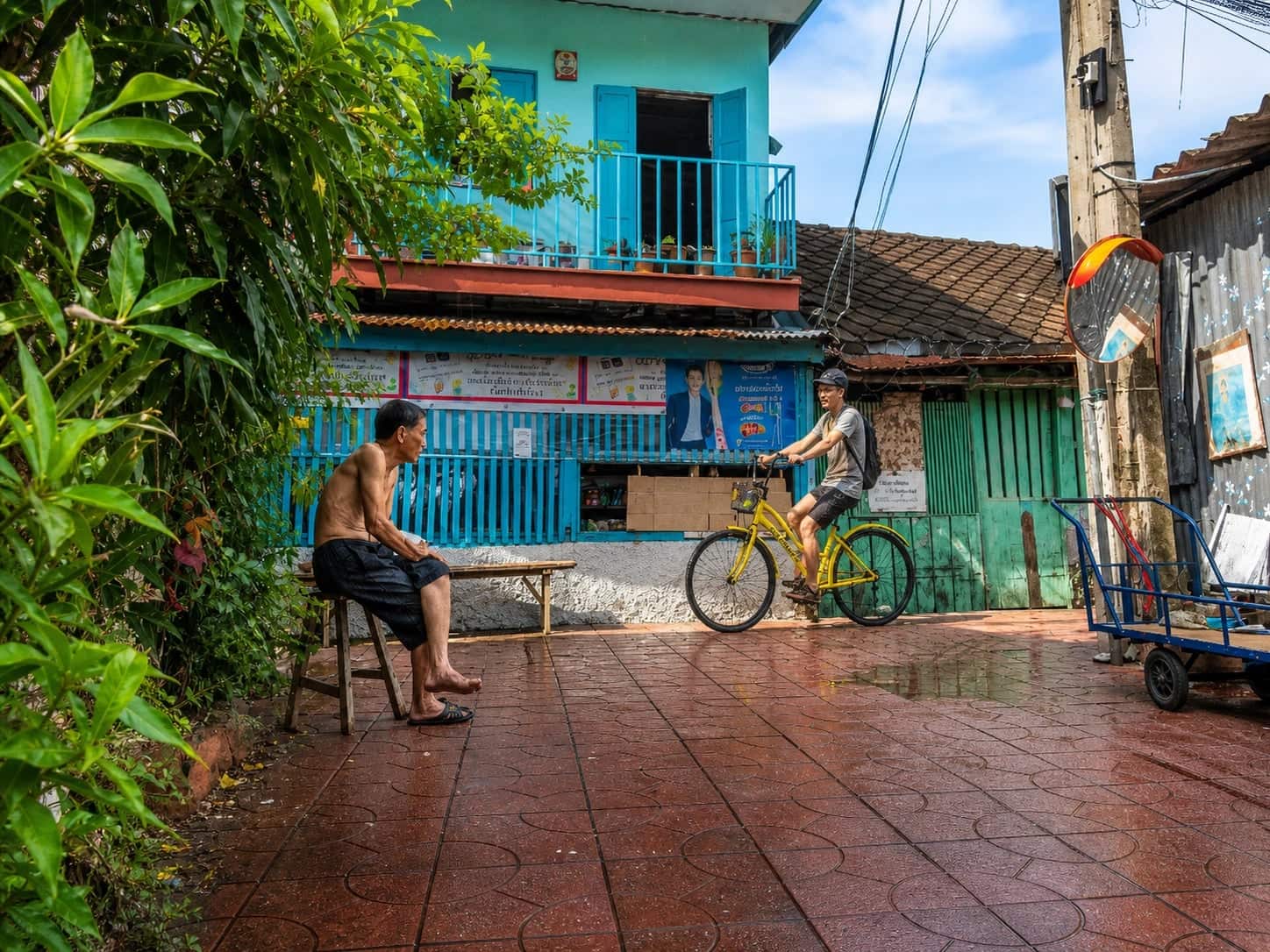
Unlike many Chinatowns around the world, this one was never turned into a tourist attraction. It is a real neighbourhood first, which is why walking its alleys with a guide who knows the families and the shortcuts makes such a difference.
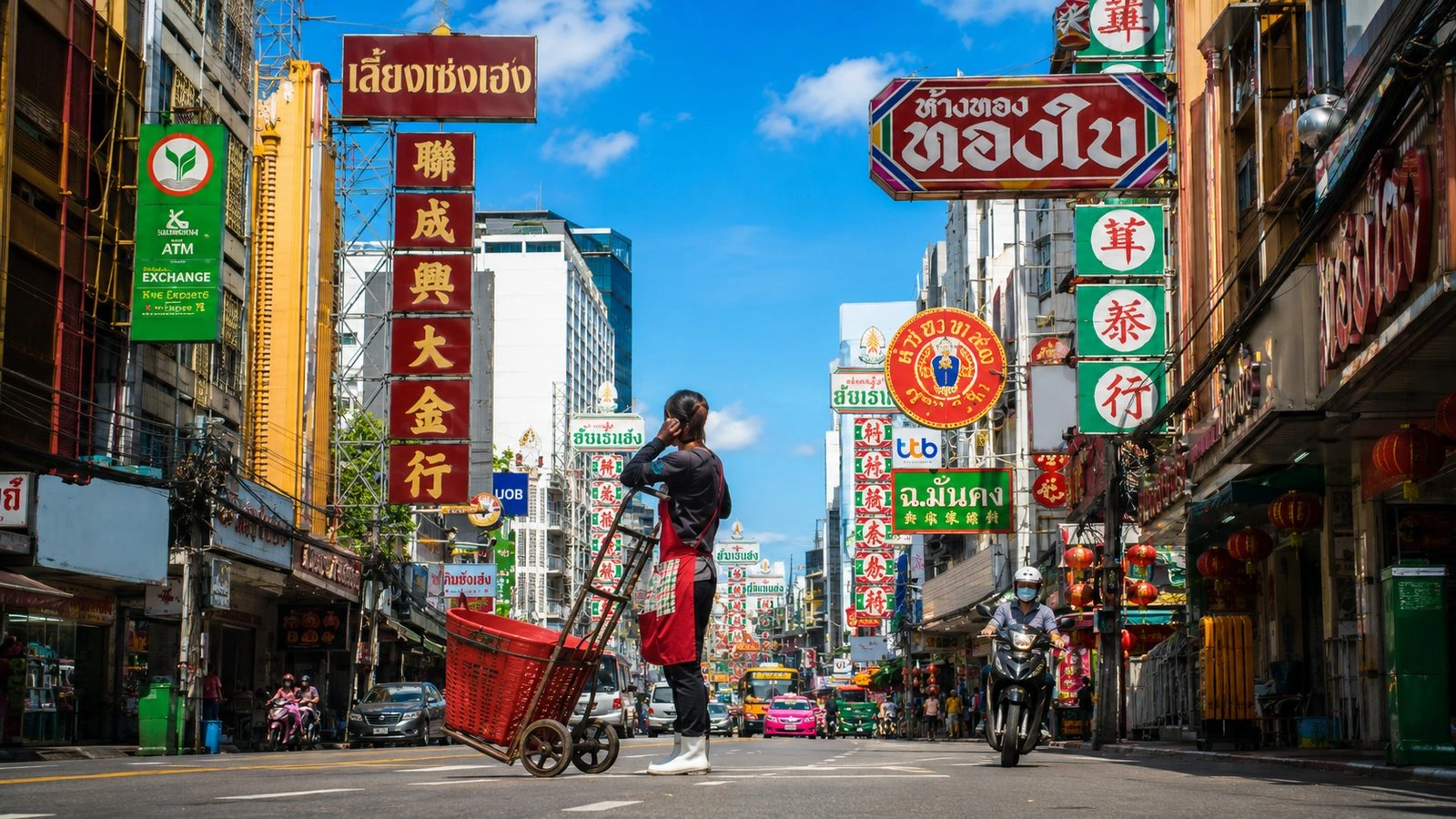
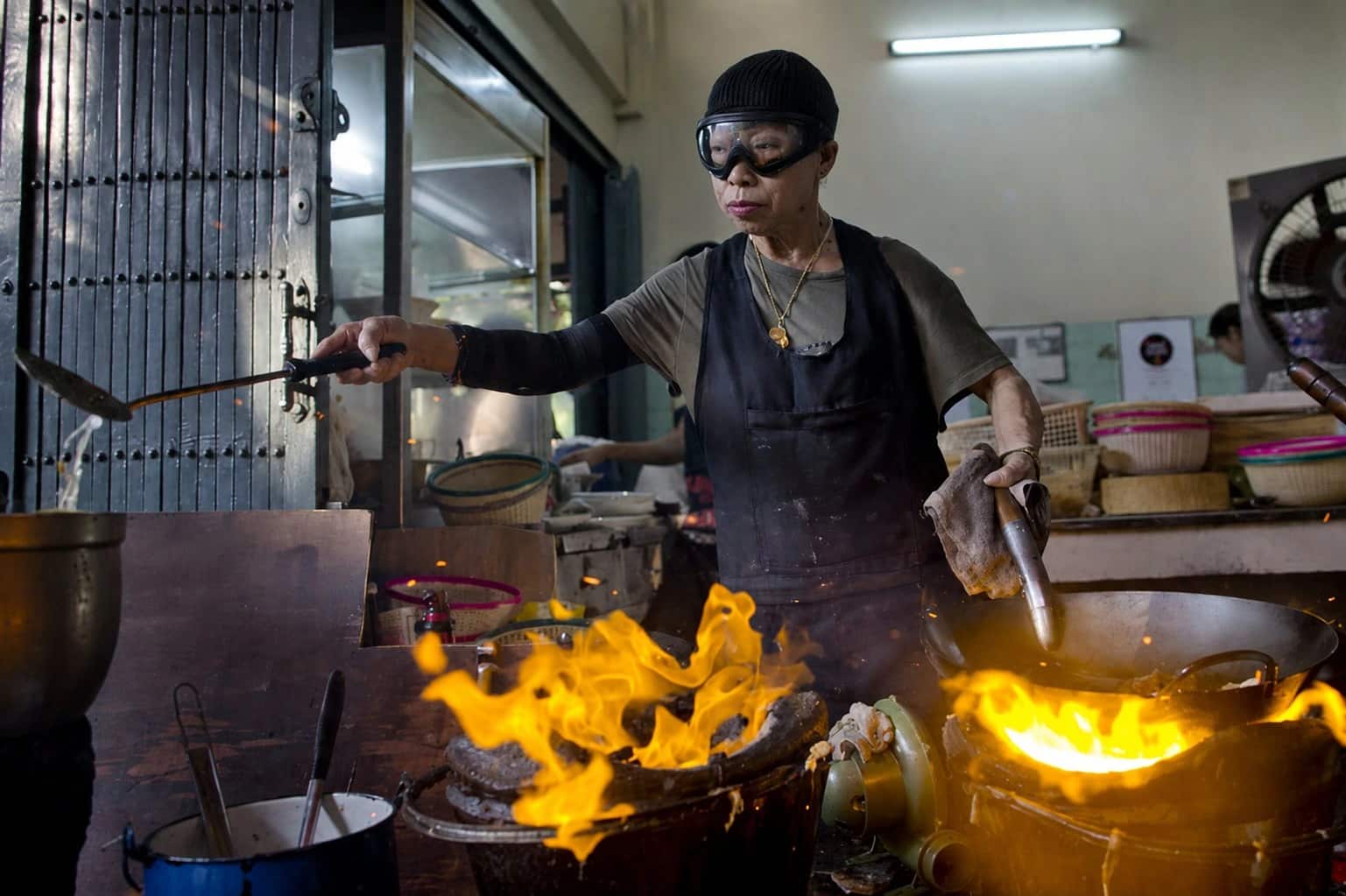
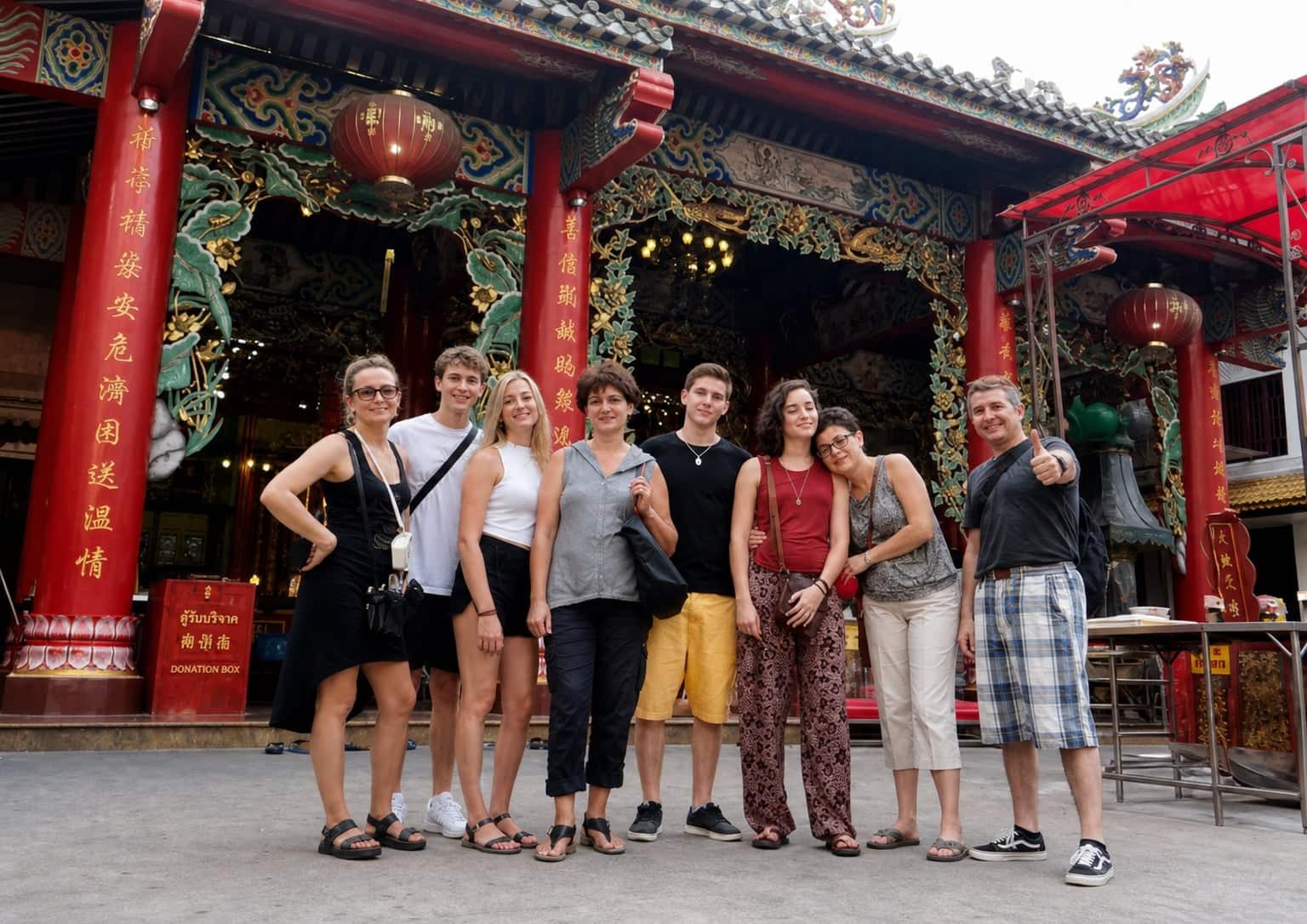
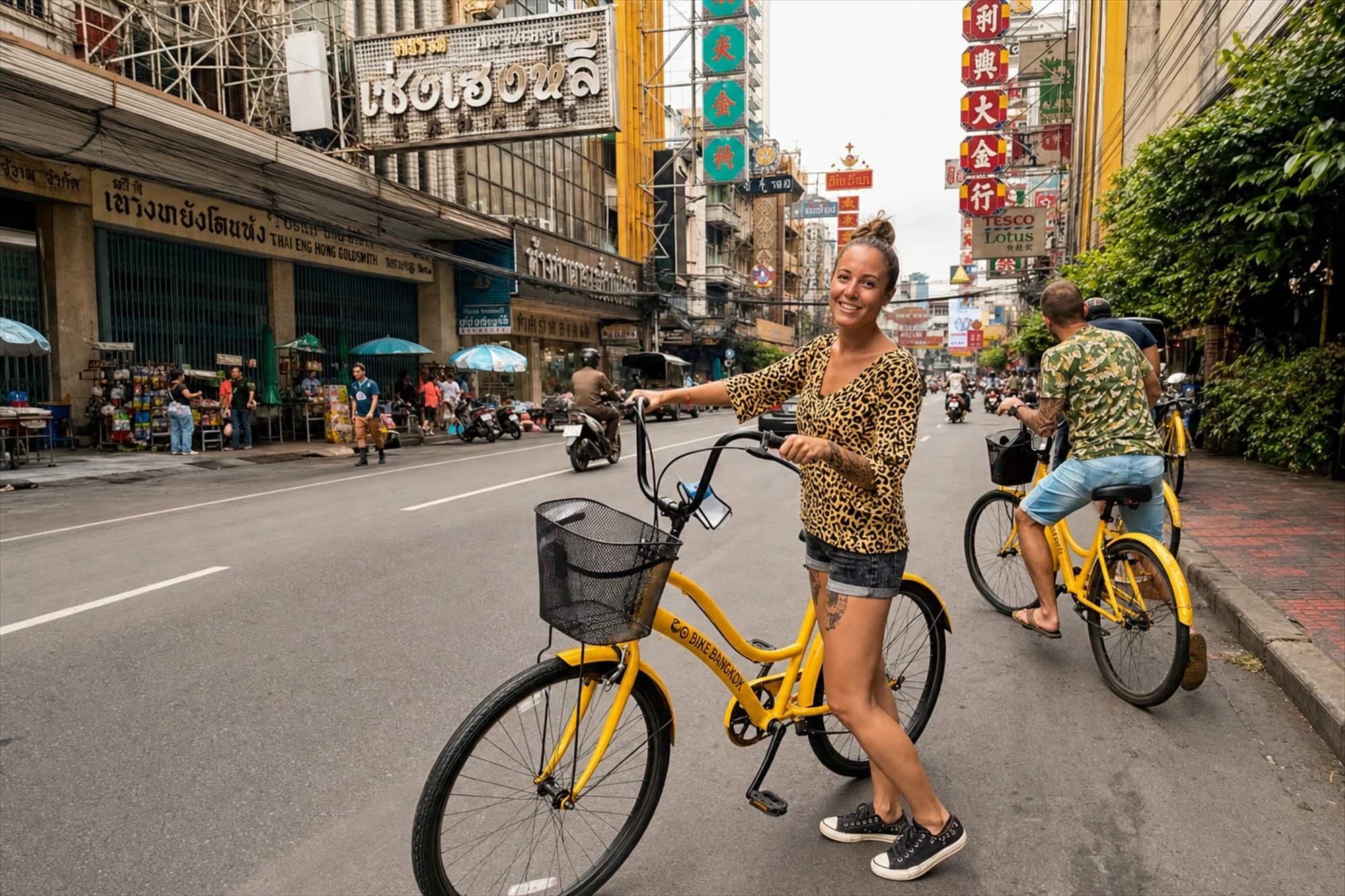
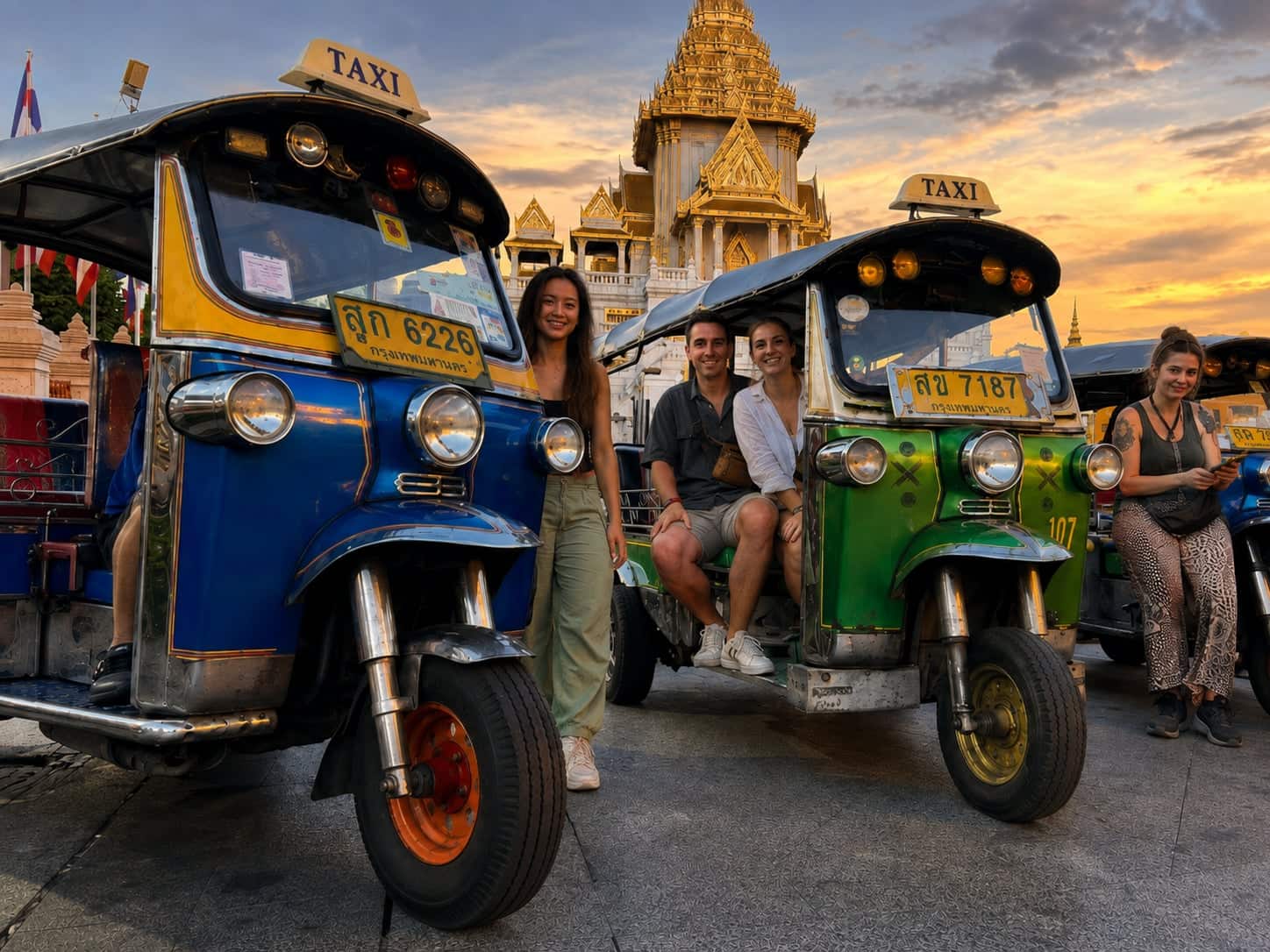
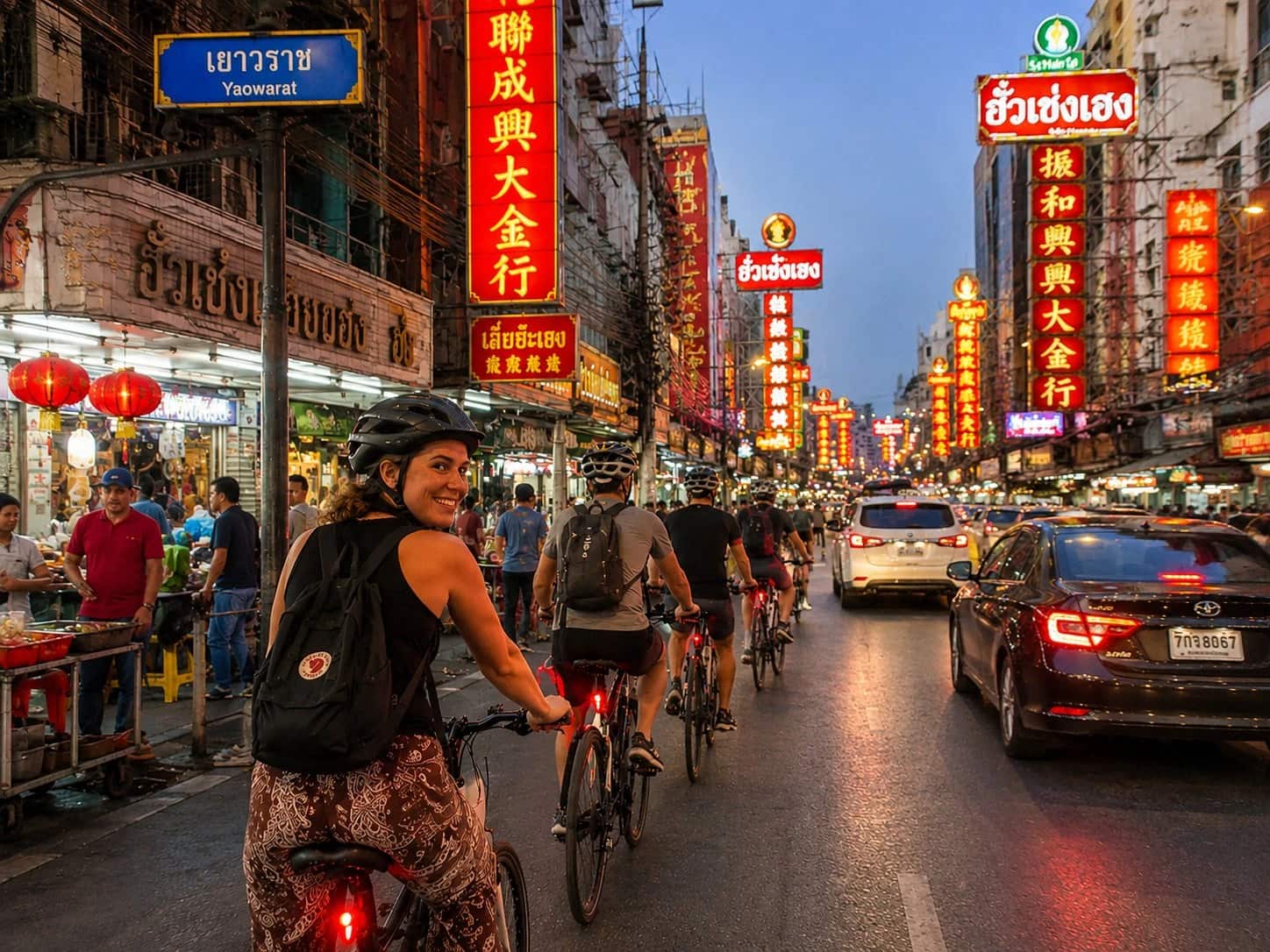
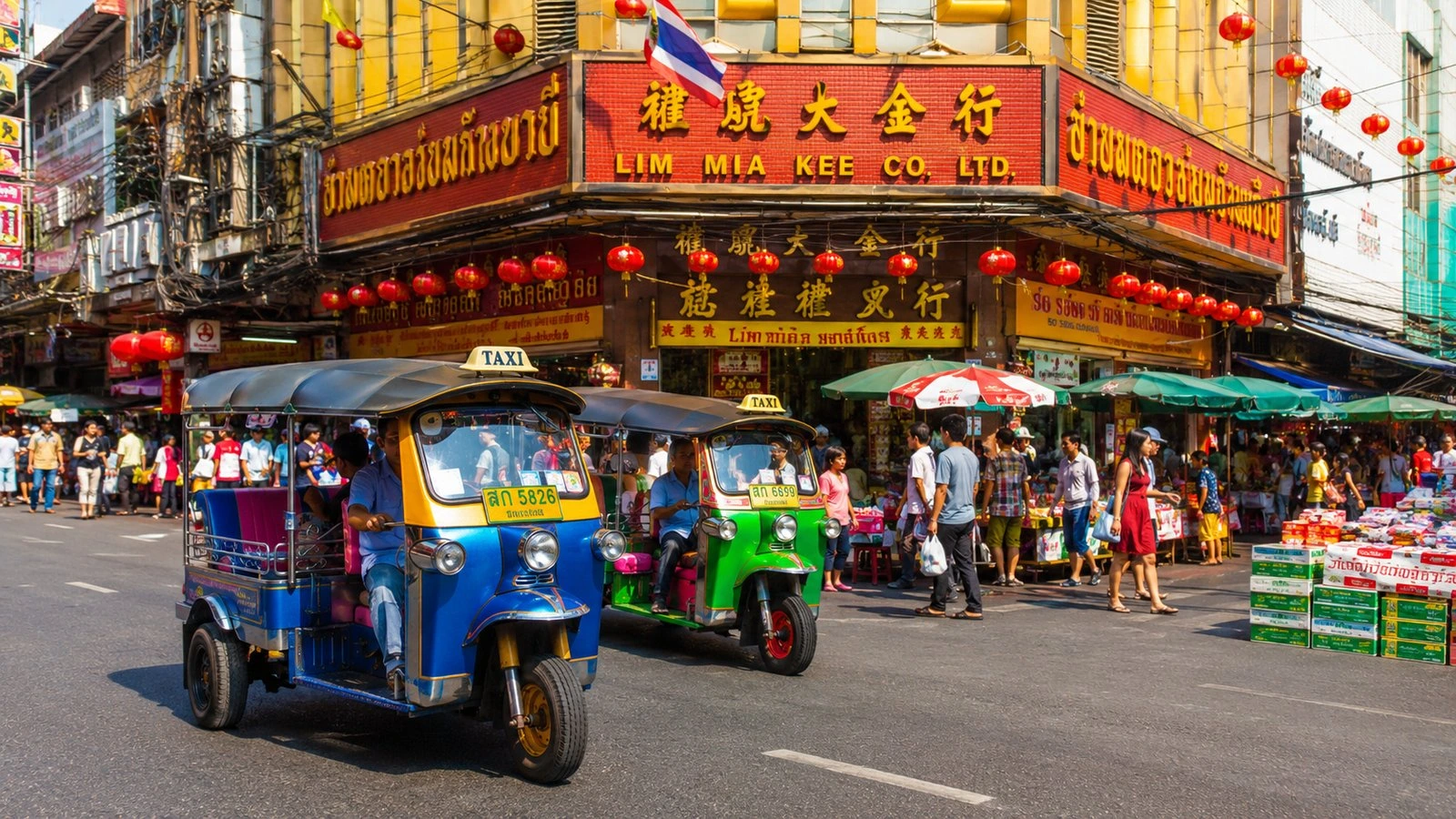
This is the part of Bangkok where a guide earns their keep, because the best of Chinatown hides in alleys you would walk straight past. Our 2-hour Chinatown walking tour (from ฿695) covers the passages too narrow even for bicycles, the Chinatown and Thonburi bicycle tour (from ฿1,195) adds the flower market and a ferry hop across the river, and the tuk-tuk and walking combination (from ฿2,595) mixes backstreet walking with rides on Bangkok’s iconic three-wheeler. Food-first visitors should look at the Michelin Guide street food tour by tuk-tuk (from ฿1,495), an evening trail through Chinatown’s best stalls that ends at Jay Fai, the only street food stall in Thailand with a Michelin star.
Chinatown sits between the old town and the river, and getting there is easy:
All of our Chinatown tours meet at River City Bangkok, the riverside complex on the northern edge of the district, so you do not need to find your own way around before the tour starts. Your guide handles the navigation from there.
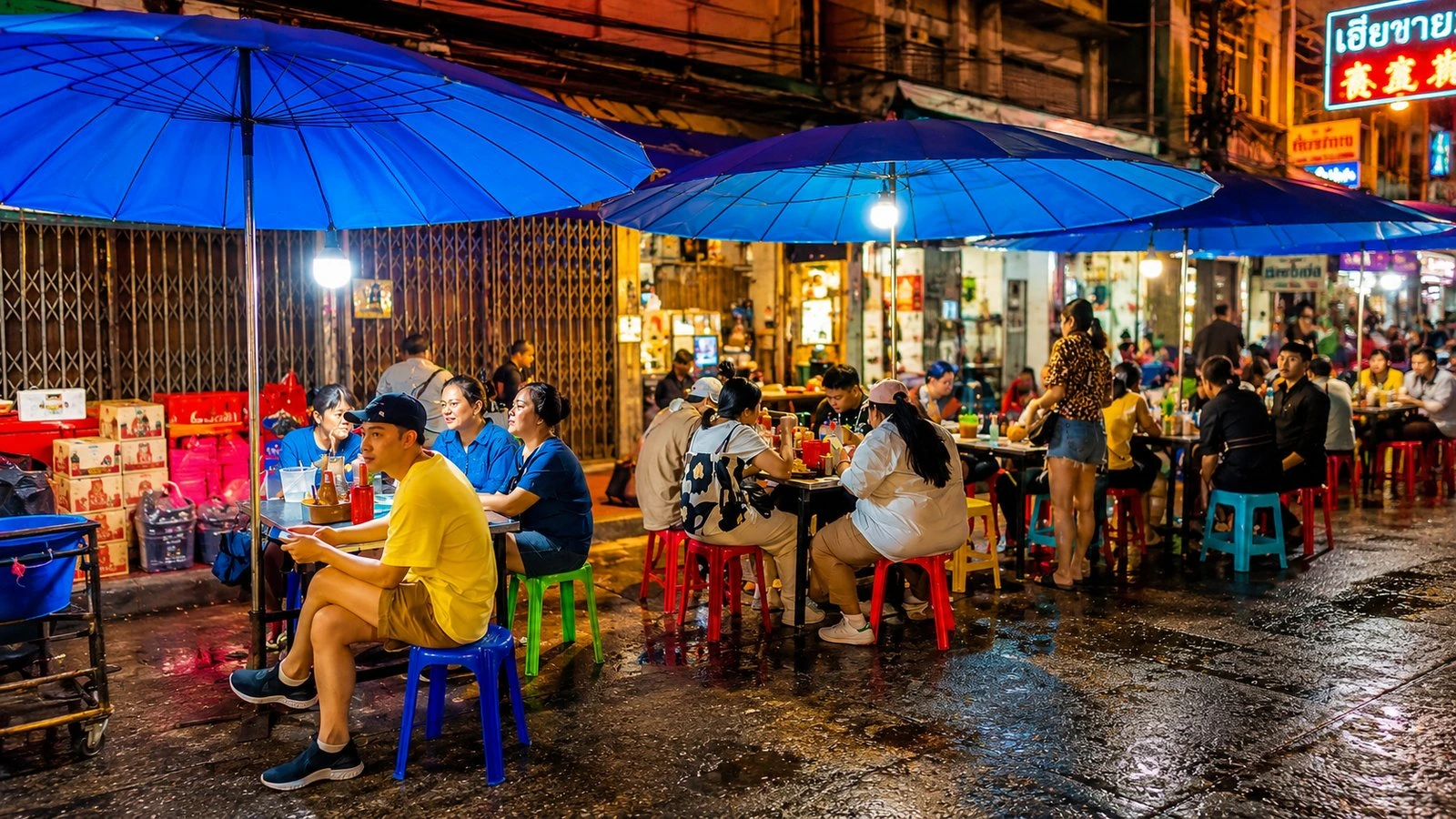
Time of day matters more here than time of year. For the street food, come in the evening: the famous stalls set up from late afternoon and Yaowarat Road is at its best between sunset and about 22:00. For the markets, temples and alleys, mornings are cooler and far less crowded, which is why our walking and bicycle tours start at 08:00 and 10:00.
Season-wise, the best time to visit is from November to February, when Bangkok is at its coolest and driest. One honest warning for planners: many street food vendors take Monday off, so if eating is the main event, pick another day.
Chinese New Year (January or February, the date moves each year) is the district’s biggest festival. It is spectacular, but expect serious crowds and closed side streets.
Chinatown occupies the Samphanthawong district in the bend of the Chao Phraya River, roughly between the old town (Rattanakosin) and Hua Lamphong, the old central railway station. Yaowarat Road runs through the middle, with Sampeng Lane parallel to it and Talat Noi tucked against the river to the south. River City Bangkok, where our tours meet, sits on the riverbank at the district’s northern edge.
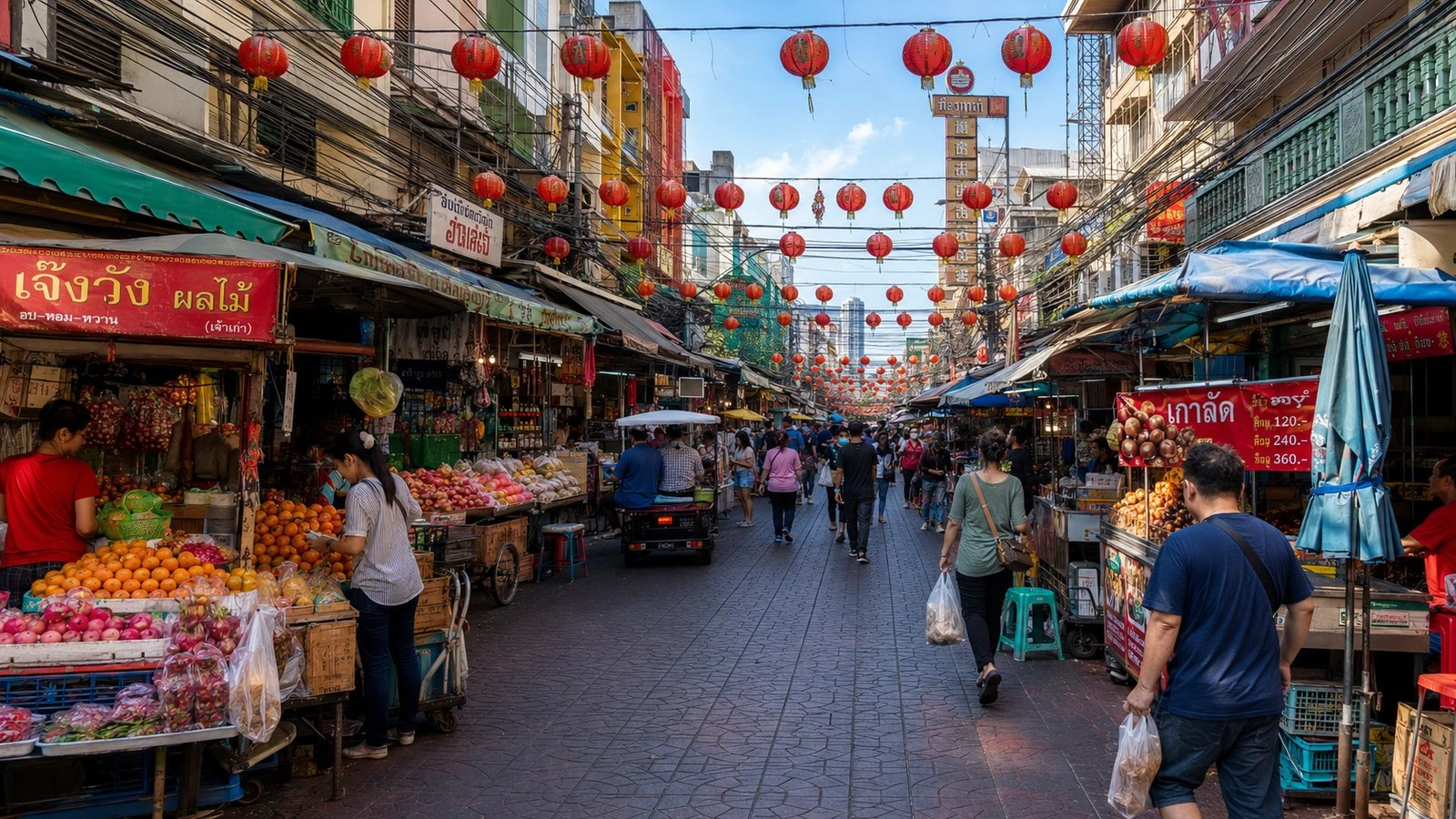
Yes, and it costs nothing to find out. It is one of the few districts in central Bangkok that still feels like itself rather than like a tourist zone. If you only have one evening for street food in Bangkok, spend it on Yaowarat Road.
Evenings for the street food, mornings for the markets, temples and alleys. Avoid Mondays if eating is your priority, since many vendors take that day off.
Generally yes. The popular stalls have huge turnover, so food is cooked fresh in front of you and does not sit around. Follow the same rule locals do: join the stall with the queue. If you have a sensitive stomach, ease in with cooked dishes rather than raw ones.
The 2-hour walking tour is the compact introduction, on foot through the narrowest alleys. The 3-hour bicycle tour covers more ground, adding the flower market and a ferry crossing to Thonburi. The 4-hour tuk-tuk and walking tour combines backstreet walking with tuk-tuk rides between the sights. The Michelin Guide street food tour runs in the evening and is built entirely around eating. All four meet at River City Bangkok.
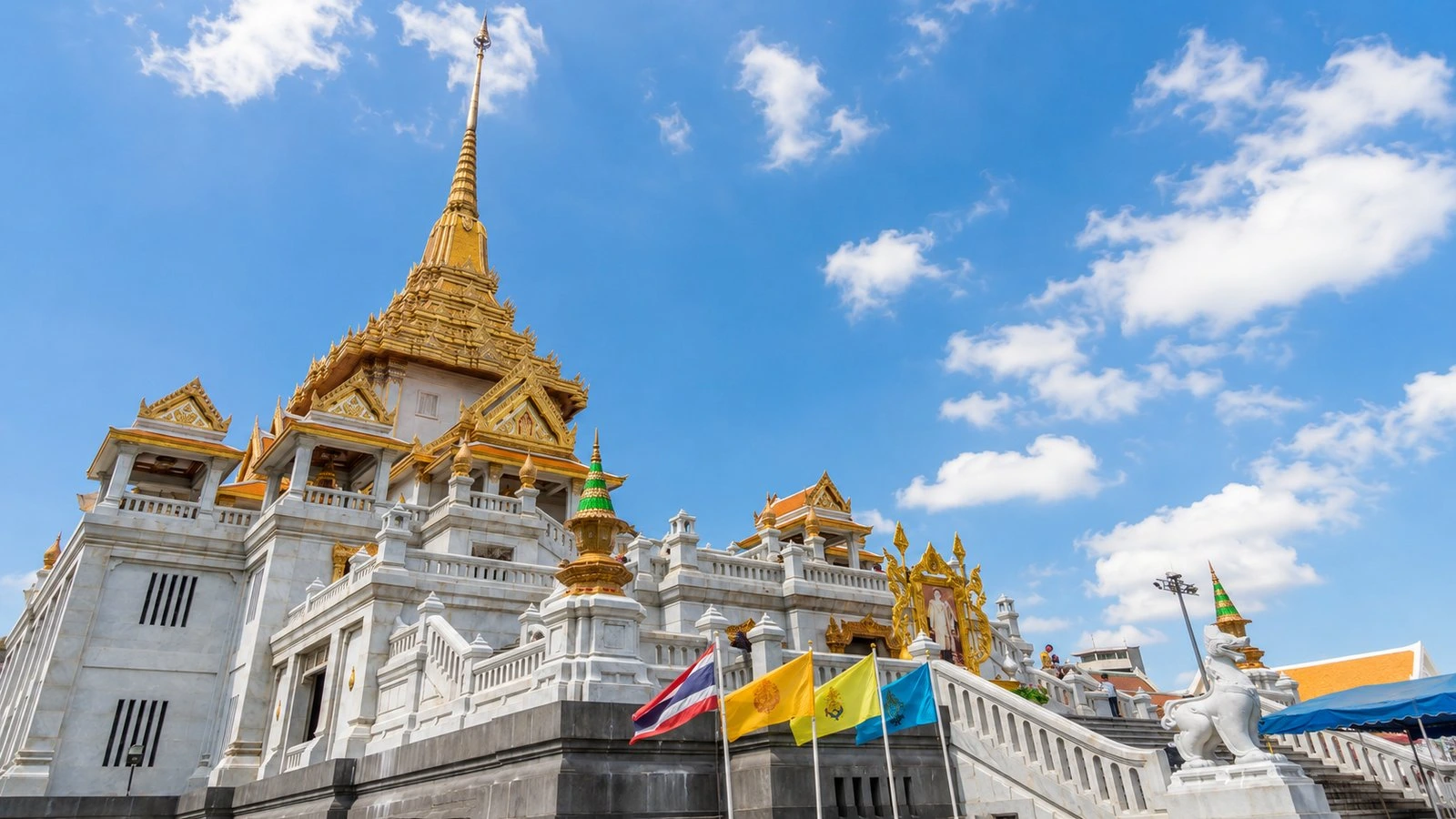
No, the district itself is free to wander. The one paid sight is Wat Traimit, where seeing the Golden Buddha costs 40 baht and the museum floors another 100 baht. Everything else you spend goes on food and shopping.
Take the MRT blue line to Wat Mangkon station, which is right in the district, or the Chao Phraya Express Boat to Ratchawong pier. Both beat sitting in evening traffic.
Chinatown fills half a day well, which leaves room for a bigger trip out of the city: the temple ruins of Ayutthaya to the north, or the Damnoen Saduak floating market to the west. Everything we run is on the tours page.