Bangkok Old Town, or Rattanakosin, is the square kilometre the whole city grew out of. King Rama I laid it out in 1782 after moving the capital across the river from Thonburi, and he built it as an island: the Chao Phraya closes it on the west, and a ring of dug canals closes it on the east. Almost everything a first-time visitor comes to Bangkok to see sits inside that ring or a short walk beyond it.
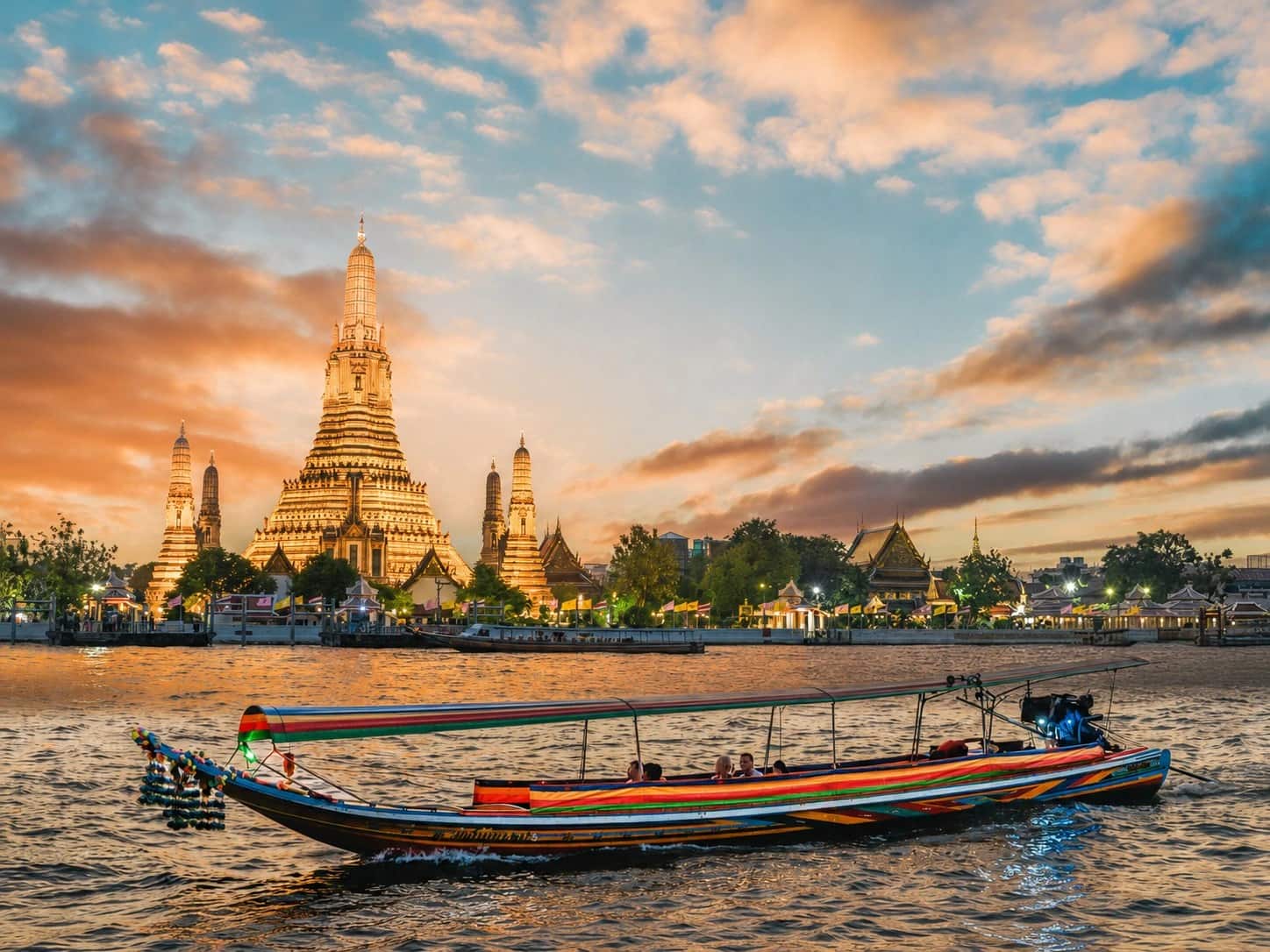
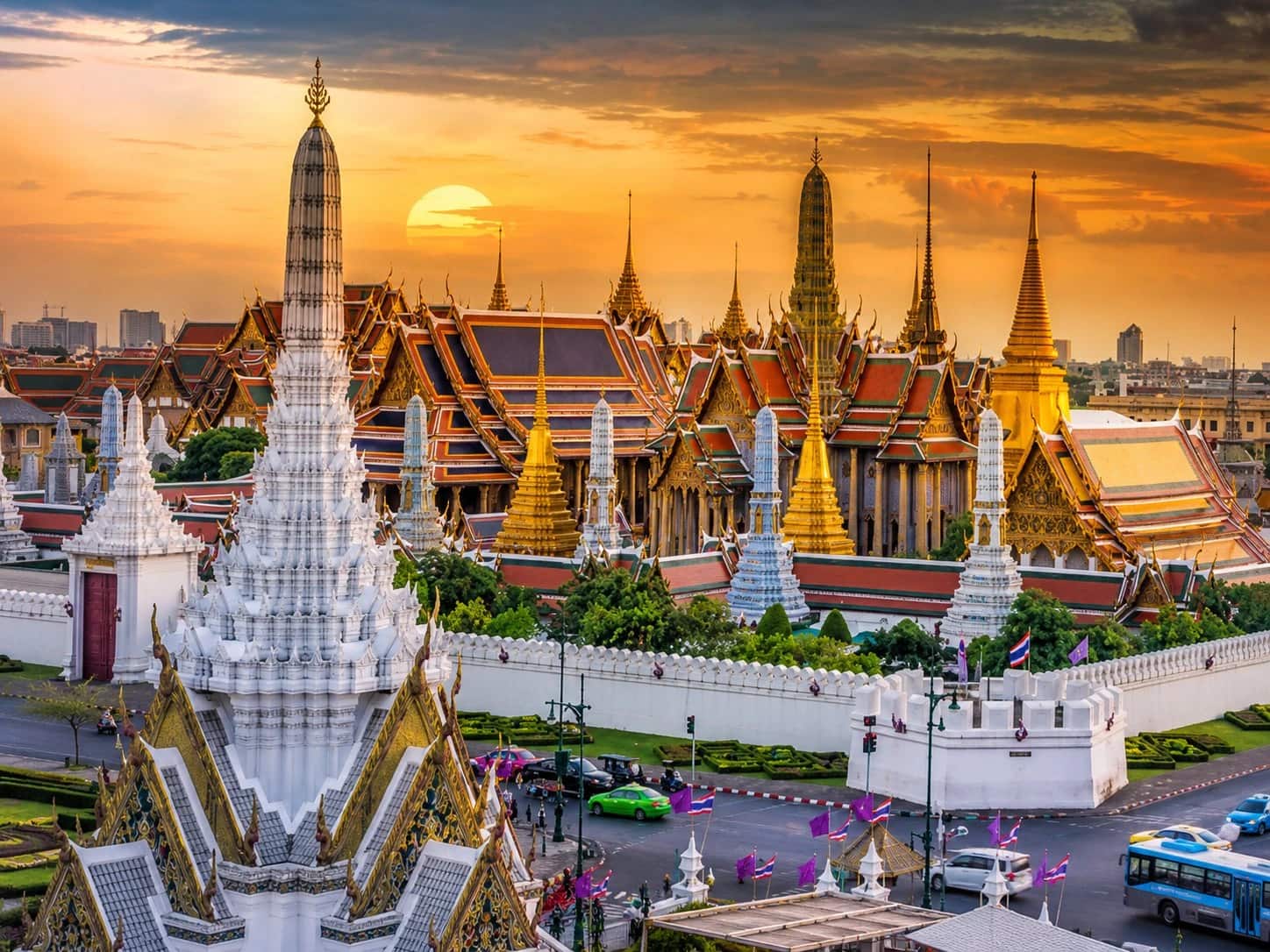
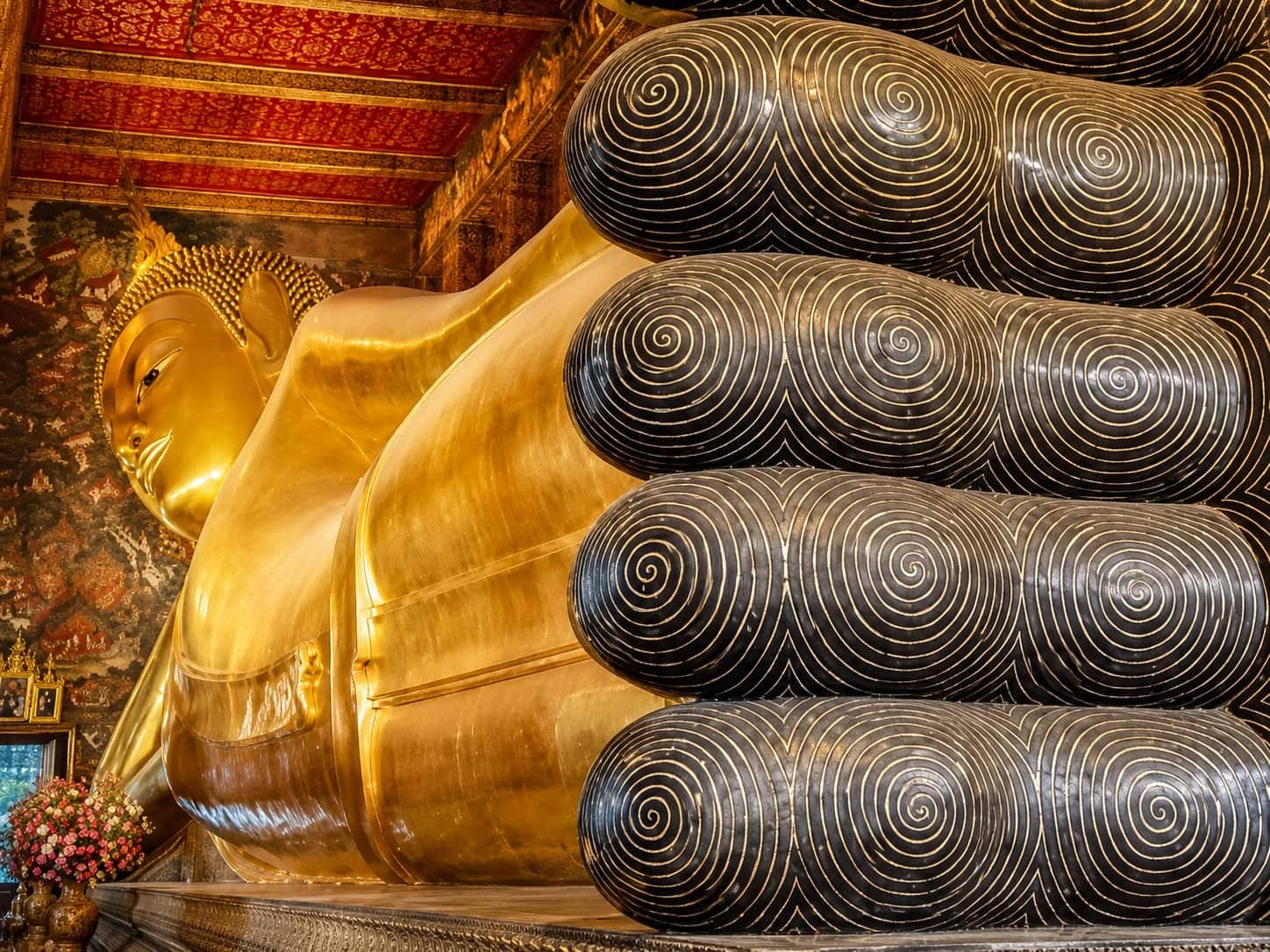
The Grand Palace and Wat Phra Kaew, the temple of the Emerald Buddha, are the centrepiece and the busiest ticket in Thailand. A short walk south, Wat Pho holds the reclining Buddha and the school that formalised Thai massage. Across the water from both, reachable by a two minute ferry from Tha Tien pier, Wat Arun catches the late light better than anything else in the city.
Beyond the big three: Pak Khlong Talat, the flower market, works through the night and is at its best long after dinner; Wat Saket on the Golden Mount gives you the only easy rooftop view of the old quarter; Sanam Luang is the royal field the ceremonies happen on; and Khao San Road is ten minutes north when you want the other kind of evening.
The old town is the one central district the BTS Skytrain never reached, which catches people out. Three ways in work well:
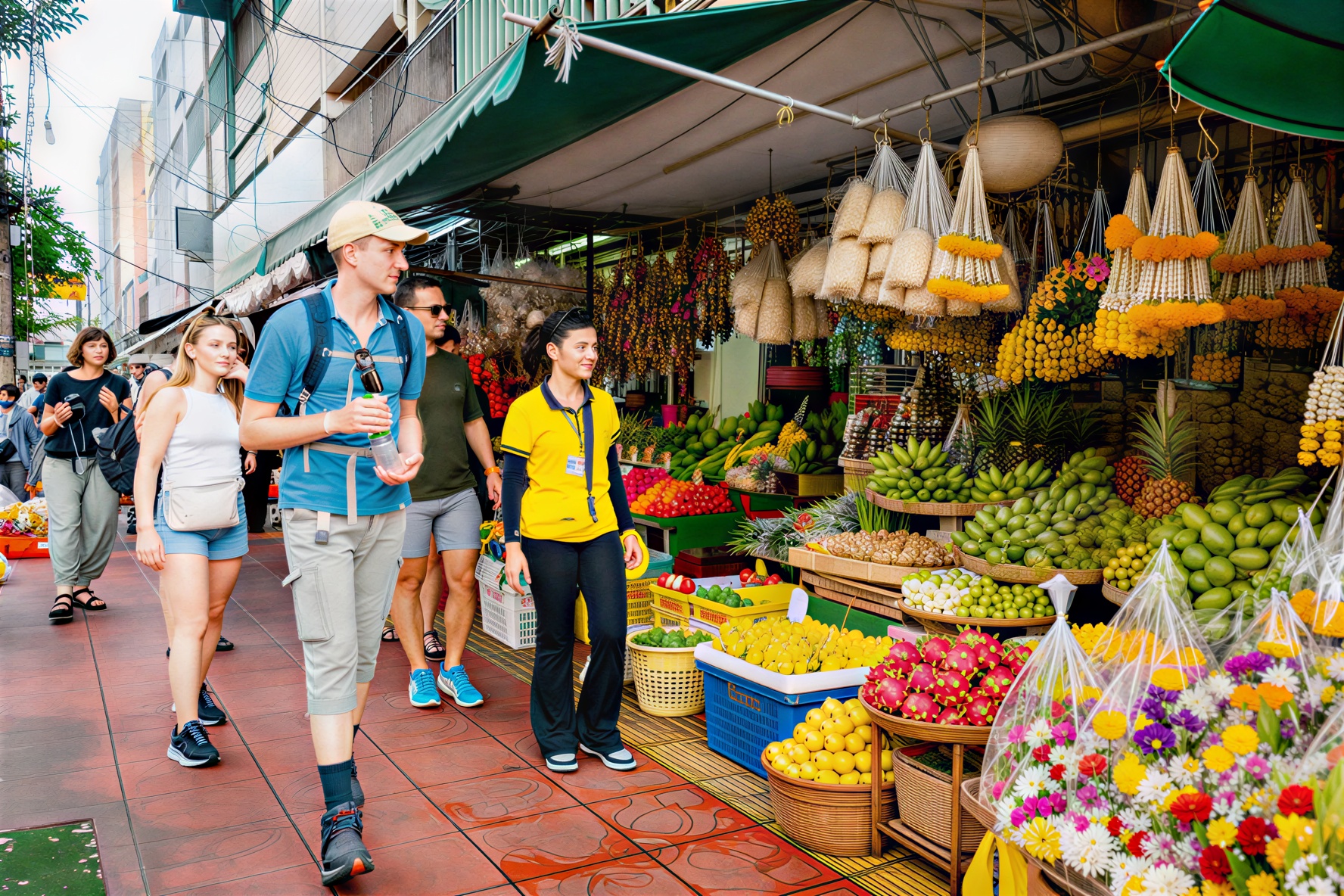
Our temple and market walking tour, from ฿2,195, covers the Grand Palace, the Emerald Buddha, Wat Pho and Wat Arun in one guided morning, which is the efficient way to do the headline sights with someone explaining them.
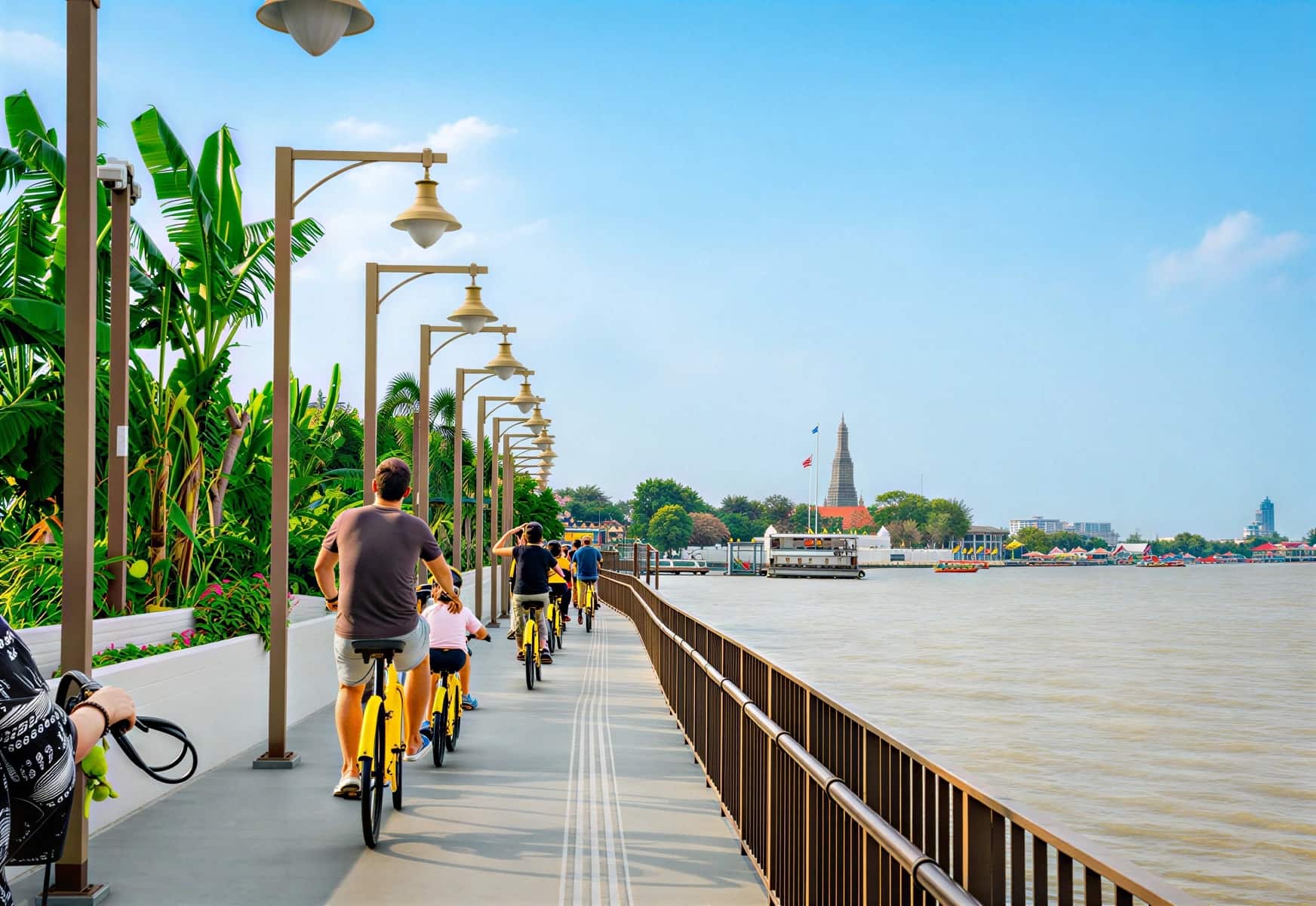
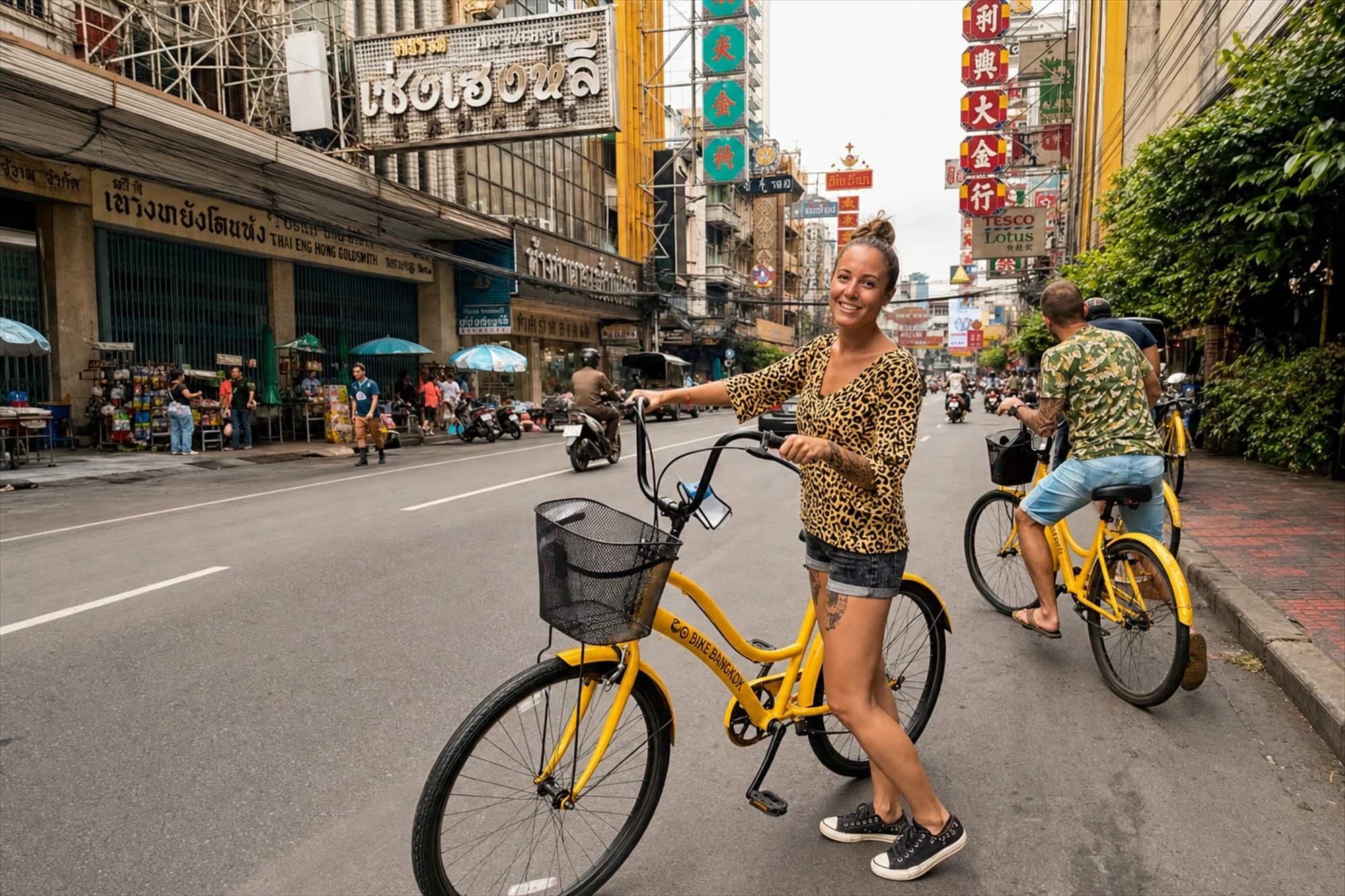
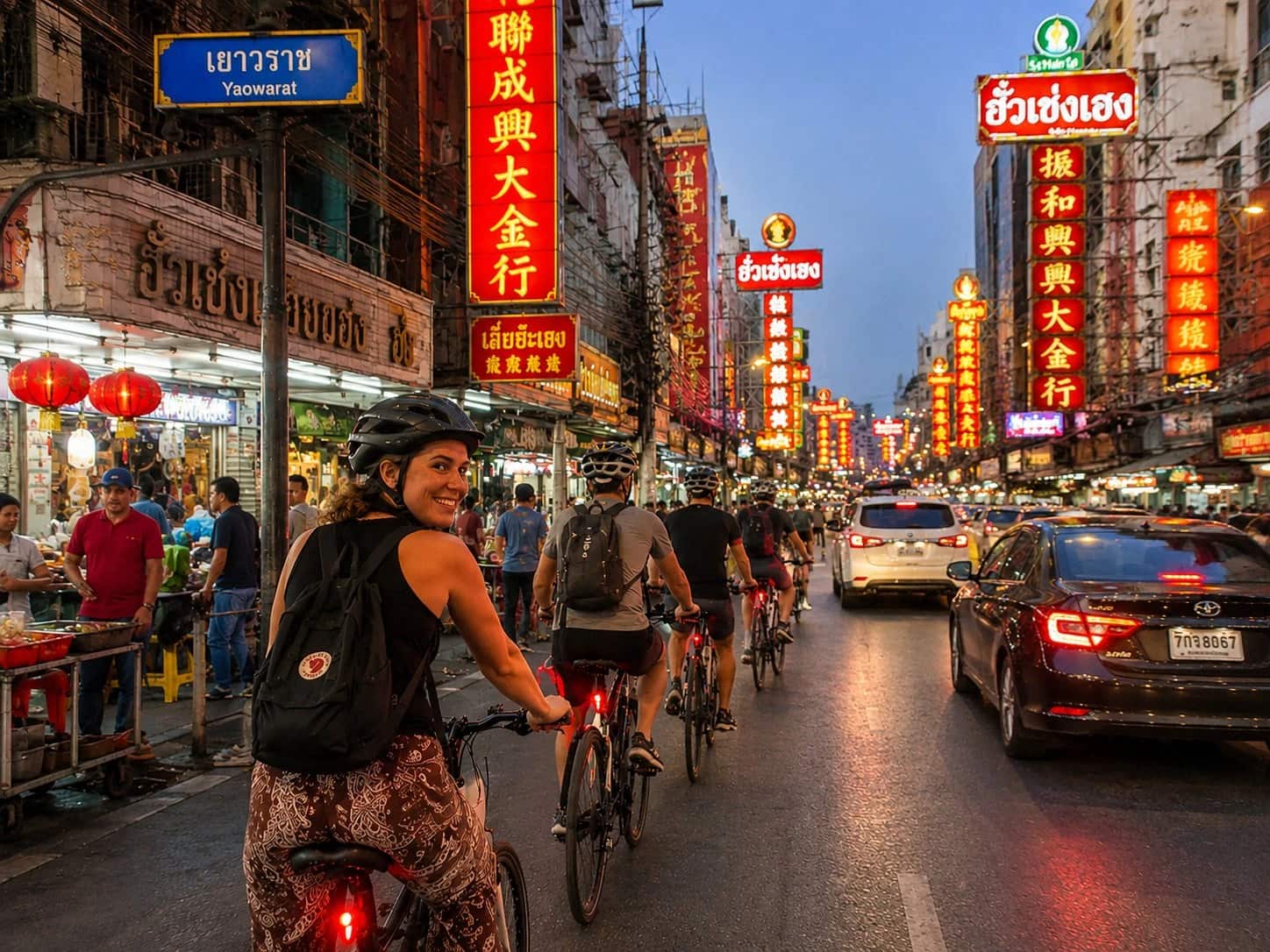
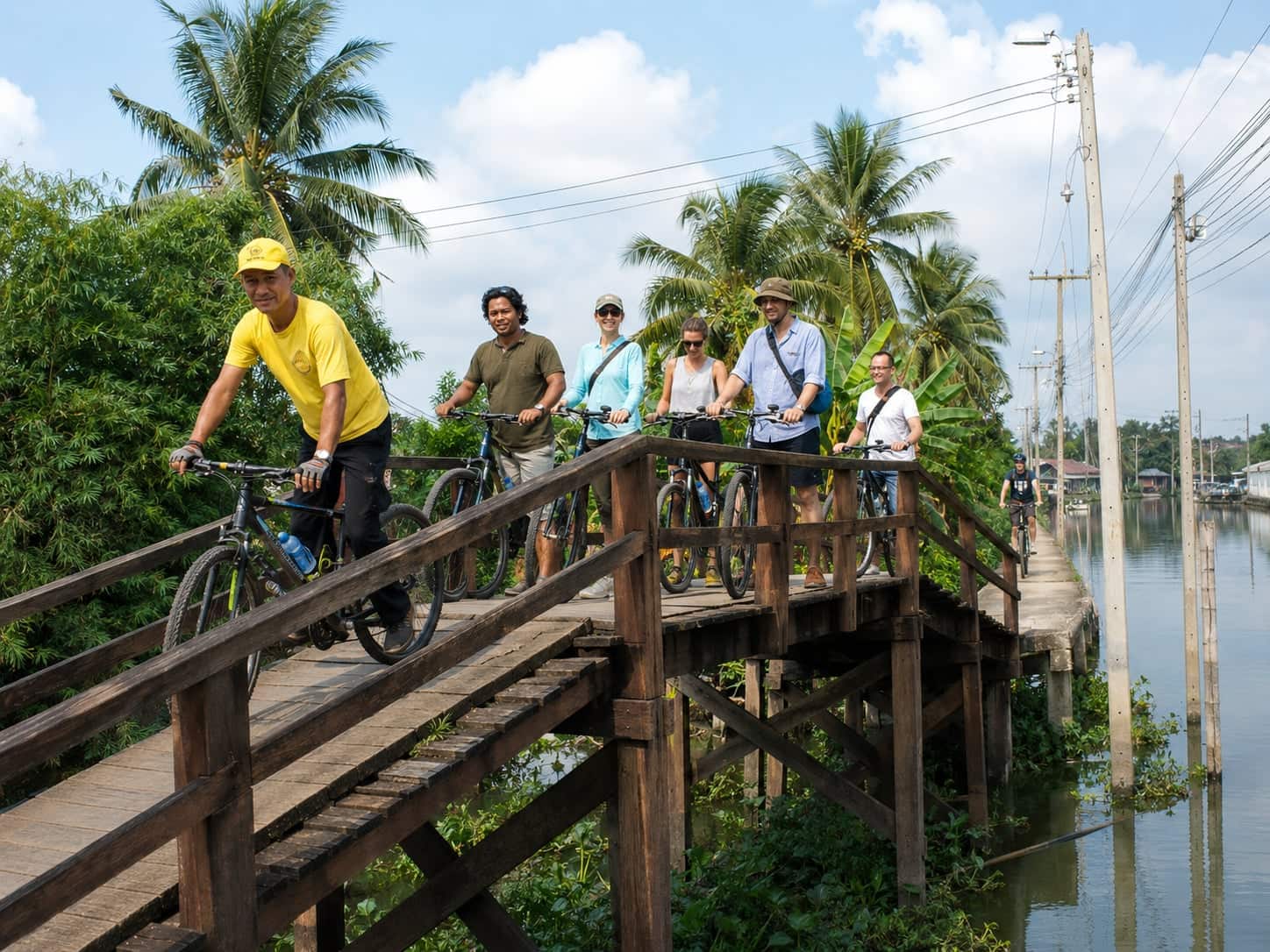
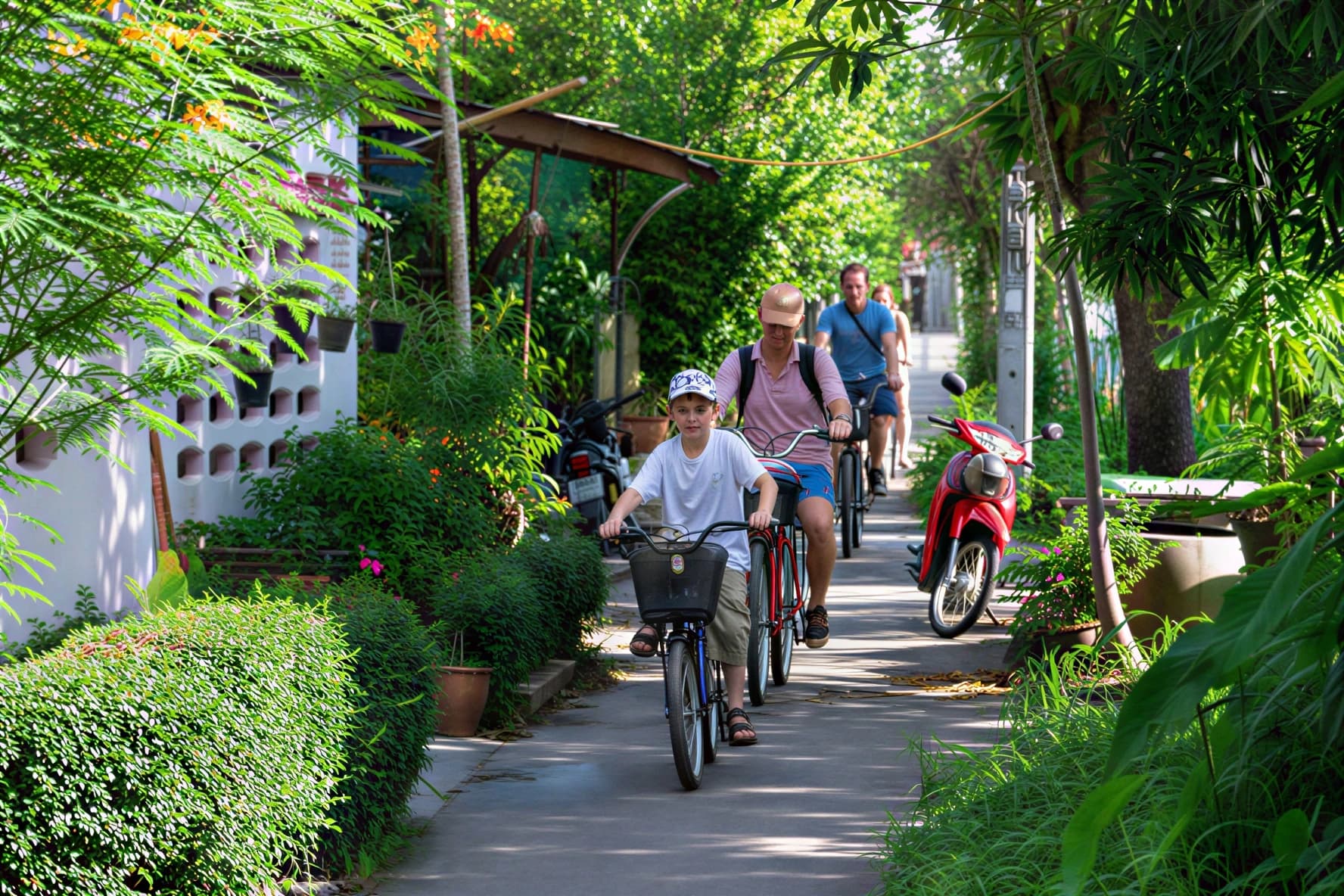
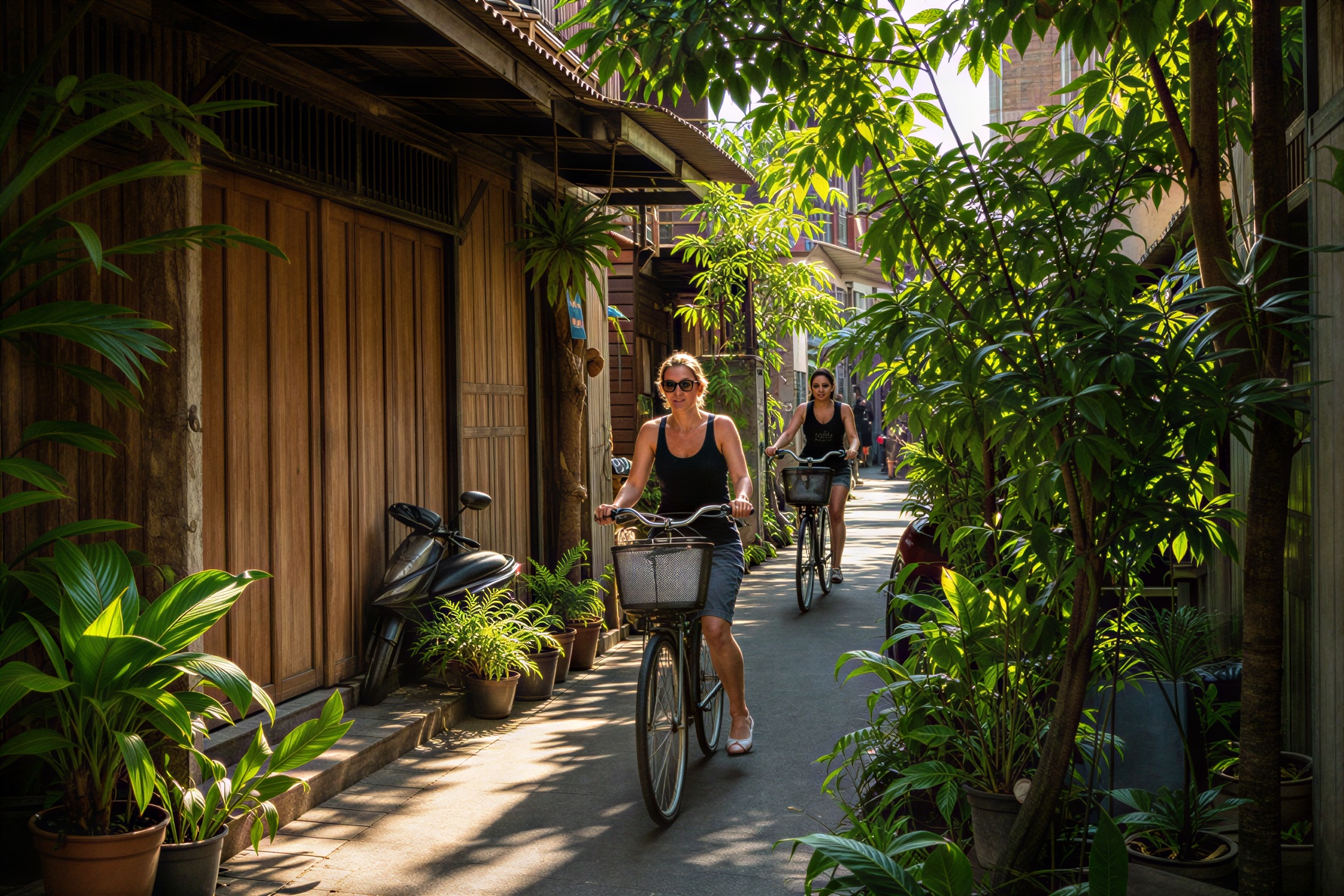
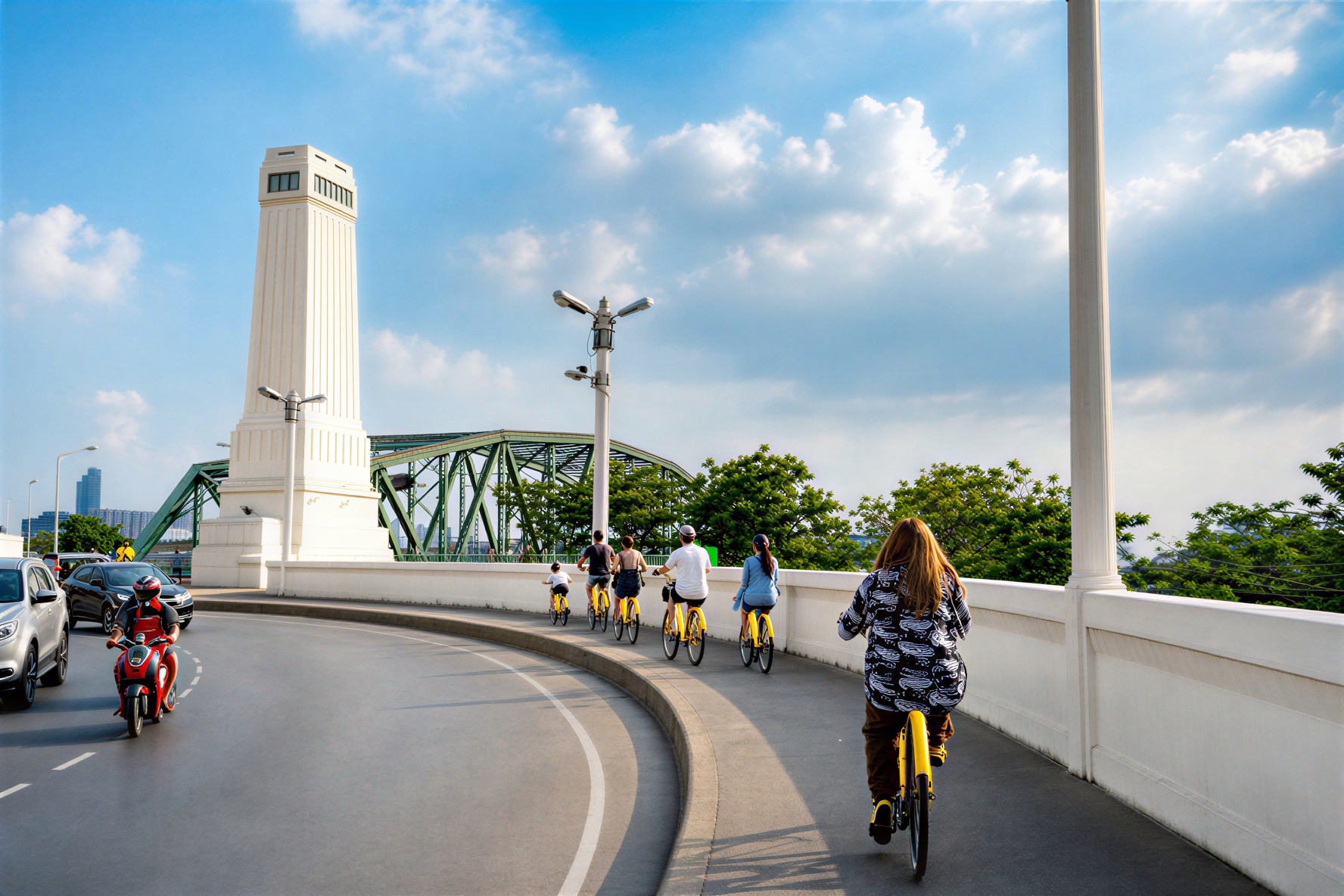
To see the lanes rather than the monuments, the three-hour bicycle tour, from ฿1,250, rides 13 km of back roads and alleyways through Rattanakosin, and the old town and Thonburi ride, from ฿1,850, adds the far bank and a meal. The night bicycle tour, from ฿1,550, is the same streets with the traffic gone and the flower market in full swing.
For one day that covers everything, the highlights day tour, from ฿3,695, pairs the temples with lunch and a longtail ride through the Thonburi canals.
The cool season from November to February is the comfortable time to walk it, and it is also the busiest. Whatever the month, the practical advice is the same: start early. The Grand Palace opens at 8:30am and the difference between arriving then and arriving at 11am is the difference between a temple and a queue. Late afternoon is the second window, when the heat drops and the light on Wat Arun is worth the wait.
In the green season from roughly June to October, rain tends to arrive as a heavy hour in the afternoon rather than a washed-out day, so mornings stay reliable.
Entrance to the Grand Palace was ฿500 per foreign visitor when we last checked in August 2026; other temples in the district charge smaller separate fees, and our guided tours state what is included on each tour page.
Rattanakosin sits on the east bank of the Chao Phraya in Phra Nakhon district, bounded by the river and the Khlong Rop Krung canal ring. Thonburi and Wat Arun are directly across the water, and Chinatown starts a short walk to the southeast.
Rattanakosin, sometimes written Ratanakosin, and the surrounding district is Phra Nakhon. All three names point at the same historic island, laid out in 1782 as the new royal capital.
Take the MRT Blue Line to Sanam Chai, which comes up beside Wat Pho, or ride the Chao Phraya Express Boat from Sathorn pier to Tha Tien or Tha Chang. The BTS Skytrain does not serve the old town directly.
Half a day covers the Grand Palace, Wat Pho and Wat Arun at a brisk pace. A full day lets you add the flower market, the Golden Mount and time to wander the lanes, which is where the district is at its best.
Clothing that covers your shoulders and knees, since every temple here enforces it, plus comfortable shoes you can take off easily. A hat and water matter more than they sound: there is very little shade between the sights.
Yes, and it is the most walkable part of Bangkok. The main sights sit within about two kilometres of each other on flat ground. Heat is the limiting factor rather than distance, which is why morning starts and bicycle tours both work so well here.